Posted on Leave a comment

PODCAST 134: Pricing Your Art And Creations

In this podcast, Klee and I delve into the ever-perplexing world of art pricing. Believe me, I understand the struggles and confusion that come with it. But guess what? It doesn’t have to be that way.  Find out more about us at http://www.rafiandklee.com


LISTEN TO THE LATEST EPISODES

Less Is More Is Our New Creative Mantra – Artist Podcast ARTIST PODCAST With Rafi And Klee

In this Podcast, Klee and I (Rafi) discuss the concept of doing less for more results and productivity. Lately, I have realized that I have been taking on too much and have come close to burn out. I am adopting a new philosophy that more isn't actually better. WHO ARE RAFI AND KLEE STUDIOS Curious about who we are? Visit our website and get to know us and all we do. https://rafiandklee.com/ ARE YOU A CREATIVE HUMAN? Seeking inspiration, free resources, and a supportive hub to fuel your artistic journey? Look no further! At the Rogue Artist Community, we’ve built a vibrant space designed to empower artists, dreamers, and doers like YOU. Whether you’re an experienced artist, a budding creator, or someone curious about exploring their creativity, our hub has something for everyone. Visit us at https://rogueartistcommunity.com/ to find out more. Thank you for supporting the Artist Life Podcast with Rafi and Klee! You rock!
  1. Less Is More Is Our New Creative Mantra – Artist Podcast
  2. Comparing Yourself Is A Crock
  3. How to Take Lead In Your Art Career When You Want To Be In The Background
  4. Are You A Hobbyist Or A Pro Artist?
  5. Stop Believing The Starving Artist Lie
  6. Getting People To Notice Your Art
  7. Rituals To Get Creative Or Just Weird
  8. Don’t Let Them Make You Quit Your Art – Artist Podcast
  9. Don't Let Them Make You Quit Your Art
  10. Imposter Syndrome and How to Kick It in the Face – Artist Podcast

LISTEN TO US ON YOUR PREFERRED PODCAST PLATFORM

Posted on Leave a comment

When People Want To Haggle Over The Price Of Your Art

Today, I want to delve into a topic that many of us find challenging: dealing with people who want to haggle over the price of your art. It’s something that can be intimidating, but it’s essential to understand and navigate when you’re putting your artwork out there. So, let’s tackle this fear and explore some strategies to handle these situations.

The first tip I want to share is to establish your values. Before entering any negotiation, you need to be confident in the value of your art. This means understanding the time, effort, and expertise required to create your work. When you firmly believe in the worth of your art, it becomes easier to maintain a strong position during the haggling process. If you doubt the value of your art, it can undermine your confidence and make it more difficult to stand your ground.

Next, it’s crucial to set a fair and reasonable price. For me, this means choosing a price that feels comfortable and fair to both me and the potential buyer. I don’t want to sell my artwork and feel like I got shortchanged, nor do I want to take advantage of someone by overcharging them.

Pricing your work involves personal insecurities and a complex relationship with money. It’s an ongoing process of evaluation and growth. Allow yourself to evolve and adjust your prices over time, but always strive to reach a point where you feel comfortable selling your work without regrets.

Another critical point is to remember that your art is unique. Avoid falling into the comparison game by looking at the pricing of other artists’ works at shows or exhibitions. Prices can vary greatly, depending on each artist’s journey, demand for their work, and individual factors. You are on your own artistic path, and it’s essential to focus on your art’s value rather than comparing yourself to others. While getting a sense of pricing trends is okay, don’t take it as a fixed rule. The uniqueness of your art sets it apart, and you should price it accordingly.

Persistence is key in your artistic journey. The more you persist, the clearer your pricing strategy will become. As you continue creating and selling your work, you’ll gain valuable insights into what works and what doesn’t. Treat every interaction as a social experiment, learning from the responses and paying attention to how you feel. Your previous works and experiences will shape your evolving pricing strategy, so keep pushing forward.

Remember that it’s not just the hours spent creating a piece that determines its value. It’s the culmination of a lifetime of artistic development and growth. If you find yourself tempted to underprice your work, recognize the immense value of your accumulated experience and skill. Acknowledge the time it took you to reach a level where you can create a piece in just a few hours. Don’t sell yourself short—your art is the result of a lifelong journey.

Offering alternative options can be a helpful negotiation tactic, especially in art shows or exhibitions. I always make sure to have artworks that cover various price ranges. This way, if someone can’t afford a larger piece, I can offer them a smaller print or a more affordable option. By doing so, you provide potential buyers with choices and increase the chances of making a sale. If someone tries to negotiate the price of a larger piece, you can suggest a smaller one instead. It allows for flexibility and opens up possibilities for both parties.

During the negotiation process, it’s essential to remain confident and calm—a metaphorical blue flame. Stay composed and be prepared to justify your pricing when necessary. Listen attentively to the buyer’s perspective without becoming defensive. Understand that their attempt to lower the price doesn’t diminish the value of you or your art. Avoid engaging in heated arguments or getting defensive.

Now, let’s talk about the emotional aspect of haggling.

Dealing with people who want to negotiate the price of your art can be emotionally challenging. It’s natural to feel mixed emotions during these situations, such as fear, self-doubt, or even a sense of vulnerability. But remember, it’s all part of the journey as an artist.

The first step in overcoming these emotional hurdles is to develop a strong sense of self-confidence and belief in the value of your art. Remind yourself of the time, effort, and expertise you’ve dedicated to your craft. Recognize the uniqueness of your art and the individuality it represents. By establishing your own values and being firm in your pricing, you can maintain a strong stance during the haggling process.

However, it’s essential to strike a balance between confidence and fairness. Setting a fair and reasonable price means finding a comfortable middle ground for both you and the potential buyer. Avoid underpricing your work, as it diminishes the value of your artistic journey. At the same time, be mindful of not overpricing it, as it may deter potential buyers. Finding that sweet spot where you feel satisfied with the price and the buyer perceives the value in your work is the key.

As you navigate the pricing journey, keep in mind that it’s not about comparing yourself to other artists or their prices. Every artist’s journey is unique, and factors such as experience, demand, and reputation play a role in pricing. Instead of getting caught up in the comparison game, focus on your own growth and progress. Use the pricing of others as a reference point, but remember that your art stands on its own, deserving of its own value.

Persistence is crucial when it comes to pricing your art. As you continue creating and selling your work, your pricing strategy will evolve and refine over time. Treat each experience as a learning opportunity, paying attention to how you feel, the responses you receive, and the results you achieve. It’s a continuous social experiment that helps you better understand the market and your own artistic worth.

When engaging in negotiations, remember that your art holds not just the time and materials invested in its creation, but also a lifetime of artistic growth. Acknowledge the value of your accumulated skills and experience. Avoid undervaluing your work simply because it took you a shorter time to create a particular piece. Your expertise and artistic journey contribute to the value of your art as a whole.

In order to facilitate negotiations, offering alternative options can be a useful strategy. By providing a range of artworks that cover different price points, you cater to a broader audience. If someone haggles over a higher-priced piece, you can suggest a smaller or more affordable artwork that still resonates with their appreciation of your art. This way, you maintain a level of flexibility and accommodate various budgets.

Throughout the negotiation process, it’s essential to remain calm, confident, and open-minded. Be prepared to justify your pricing and engage in a respectful conversation. Remember, a negotiation is not a personal attack or a reflection of your worth as an artist. Avoid becoming defensive or engaging in heated arguments. Stay focused on building a connection with the potential buyer, even if a sale doesn’t immediately occur.

Knowing your limits is also crucial during negotiations. Determine the lowest price you’re willing to accept for a piece and stick to it. While some back-and-forth discussion is normal, having a predetermined threshold prevents you from compromising beyond what feels fair to you. Be open to reasonable compromises, particularly with genuinely interested buyers who may not be able to afford your initial asking price. Establish a sense of trust and connection, understanding that a potential collector may emerge from these interactions.

Ultimately, every negotiation is an opportunity to build relationships and create connections. Even if a sale doesn’t go through, you can grow from the experience.

Posted on Leave a comment

PODCAST 132: The Art Of Selling Art

In today’s Podcast, we’ll be discussing the art of selling art. I believe 100% of the art of selling art happens on the back end, not the front end. This means that everything you do to prepare your art is more important than what the customer experiences when they see it.

The first step in preparing your art is making it to the best of your ability. It’s essential to create something you’re passionate about and genuinely excited to share with others. This passion makes it easier to talk about your art and helps you connect with potential customers. Conversely, creating something because you think it will sell is not likely to work.

The next step is preparing your presentation. You should take beautiful pictures or videos that showcase your art’s texture, scale, and context. Make sure you’re presenting it in a way that does it justice. Spending time photographing, editing, and mixing your art is worth it.

Social media is an excellent platform to share your art, but keeping it as a record is essential. It’s also important to understand that not every post will lead to a sale, but it’s an excellent way to build your brand and engage with your audience.

In conclusion, selling art is more about the back end than the front end. Preparing your art and presentation with passion and care is crucial to selling art successfully. Find out more about us at http://www.rafiandklee.com


LISTEN TO THE LATEST EPISODES

Less Is More Is Our New Creative Mantra – Artist Podcast ARTIST PODCAST With Rafi And Klee

In this Podcast, Klee and I (Rafi) discuss the concept of doing less for more results and productivity. Lately, I have realized that I have been taking on too much and have come close to burn out. I am adopting a new philosophy that more isn't actually better. WHO ARE RAFI AND KLEE STUDIOS Curious about who we are? Visit our website and get to know us and all we do. https://rafiandklee.com/ ARE YOU A CREATIVE HUMAN? Seeking inspiration, free resources, and a supportive hub to fuel your artistic journey? Look no further! At the Rogue Artist Community, we’ve built a vibrant space designed to empower artists, dreamers, and doers like YOU. Whether you’re an experienced artist, a budding creator, or someone curious about exploring their creativity, our hub has something for everyone. Visit us at https://rogueartistcommunity.com/ to find out more. Thank you for supporting the Artist Life Podcast with Rafi and Klee! You rock!
  1. Less Is More Is Our New Creative Mantra – Artist Podcast
  2. Comparing Yourself Is A Crock
  3. How to Take Lead In Your Art Career When You Want To Be In The Background
  4. Are You A Hobbyist Or A Pro Artist?
  5. Stop Believing The Starving Artist Lie
  6. Getting People To Notice Your Art
  7. Rituals To Get Creative Or Just Weird
  8. Don’t Let Them Make You Quit Your Art – Artist Podcast
  9. Don't Let Them Make You Quit Your Art
  10. Imposter Syndrome and How to Kick It in the Face – Artist Podcast

LISTEN TO US ON YOUR PREFERRED PODCAST PLATFORM

Posted on Leave a comment

PODCAST 131: How People Find Your Art Website

In this podcast. Klee and I discuss how we get people to remember that our website exists. It is easy to feel like your website is out in internet Syberia, but there is always a way to bring some sunshine and cast a light on your site. Find out more about us at http://www.rafiandklee.com


LISTEN TO THE LATEST EPISODES

Less Is More Is Our New Creative Mantra – Artist Podcast ARTIST PODCAST With Rafi And Klee

In this Podcast, Klee and I (Rafi) discuss the concept of doing less for more results and productivity. Lately, I have realized that I have been taking on too much and have come close to burn out. I am adopting a new philosophy that more isn't actually better. WHO ARE RAFI AND KLEE STUDIOS Curious about who we are? Visit our website and get to know us and all we do. https://rafiandklee.com/ ARE YOU A CREATIVE HUMAN? Seeking inspiration, free resources, and a supportive hub to fuel your artistic journey? Look no further! At the Rogue Artist Community, we’ve built a vibrant space designed to empower artists, dreamers, and doers like YOU. Whether you’re an experienced artist, a budding creator, or someone curious about exploring their creativity, our hub has something for everyone. Visit us at https://rogueartistcommunity.com/ to find out more. Thank you for supporting the Artist Life Podcast with Rafi and Klee! You rock!
  1. Less Is More Is Our New Creative Mantra – Artist Podcast
  2. Comparing Yourself Is A Crock
  3. How to Take Lead In Your Art Career When You Want To Be In The Background
  4. Are You A Hobbyist Or A Pro Artist?
  5. Stop Believing The Starving Artist Lie
  6. Getting People To Notice Your Art
  7. Rituals To Get Creative Or Just Weird
  8. Don’t Let Them Make You Quit Your Art – Artist Podcast
  9. Don't Let Them Make You Quit Your Art
  10. Imposter Syndrome and How to Kick It in the Face – Artist Podcast

LISTEN TO US ON YOUR PREFERRED PODCAST PLATFORM

Posted on Leave a comment

What Is The Difference Between A Coop And A Vanity Gallery

Hi Rogues! In this podcast, we will talk about the difference between vanity and co-op galleries. Now, you may ask, “What is a vanity gallery?” A vanity gallery is a predatory gallery that focuses solely on making money without regard for the art’s quality or the artist’s career. They prey on artists’ insecurities, making it easy for them to fall for the trap. On the other hand, co-op galleries are owned and managed by a collective of artists. The artists become members of the co-op, and the members run the gallery.

One of the most significant differences between these two types of galleries is ownership. Vanity galleries are typically privately owned by an individual or a small group of individuals who are not necessarily artists. In contrast, co-op galleries are owned by the collective of artists that make up the co-op. This difference is crucial because in vanity galleries, the owners exploit artists, while in co-op galleries, the members run the gallery for the benefit of all members.

Another key difference between these two galleries is the selection process. Vanity galleries usually do not have a rigorous selection process for their artists. They typically accept anyone willing to pay for an exhibition. Co-op galleries, however, have a more stringent selection process. A group of artists within the co-op usually reviews the artwork to ensure that it is a good fit for the artists that are already there. The artists usually choose which new members are going to join the gallery through a vote.

The cost is another difference between vanity galleries and co-op galleries. Vanity galleries usually charge high fees to artists for the exhibition space or offer other services like promoting their artwork, which all come at an extra cost. In contrast, co-op galleries usually have lower prices, including membership fees and a percentage of the sales. The expenses are shared among all the members of the co-op, making it more affordable for everyone.

Control is also a significant difference between these galleries. In vanity galleries, one person has complete control over the exhibition and events, while in co-op galleries, there is a more democratic process. All members have a say in the events and shows, and a vote makes decisions. This democratic process makes co-op galleries more inclusive and welcoming for all members.

Reputation is another difference between these galleries. Vanity galleries are often seen as less reputable and less serious than co-op galleries. Co-op galleries are highly regarded by the community they serve because they do a lot of community outreach. In contrast, vanity galleries are often seen as just in it for the money.

Expertise is also a significant difference between these galleries. Vanity galleries usually do not have curators or professionals working in them. They often present themselves as having professional staff, but this is not always the case. Co-op galleries, on the other hand, have members who are professionals and artists who have a wealth of experience and knowledge in the art world.

Finally, the focus of each type of gallery is different. Vanity galleries are focused solely on making a profit, while co-op galleries are focused on promoting their members’ artwork and the art community in general. Vanity galleries often overcharge artists to cover their bills and do nothing to promote the artists they represent. Co-op galleries, on the other hand, have members who work to promote each other’s artwork and organize exhibitions and educational programs.

In conclusion, the difference between vanity galleries and co-op galleries is crucial for artists to understand. Vanity galleries are predatory and solely focused on making a profit, while co-op galleries are focused on promoting the art community and its members. Artists should take the time to research and vet any gallery they consider working with to ensure that it is a good fit for them. Remember, the art world can be full of traps, so be sure to protect yourself and your money.

Posted on Leave a comment

PODCAST 128: Production Mode Versus Creativity Mode For Artists

In this podcast, Klee and I discuss being in creative or production mode as an artist. We’ll share how we approach it and how our approach has changed over the years, depending on our career stages.

As artists, various stages occur when working on a new project. First comes the inspired stage, where we might see or hear something that sparks an idea. Then comes the gestation stage, where we sketch it out or just let the idea marinate in our minds. Finally, there’s the creative stage where we get to work, and it’s here that we may feel like we’re “wrestling” with the canvas, toiling away until we bring our vision to life.

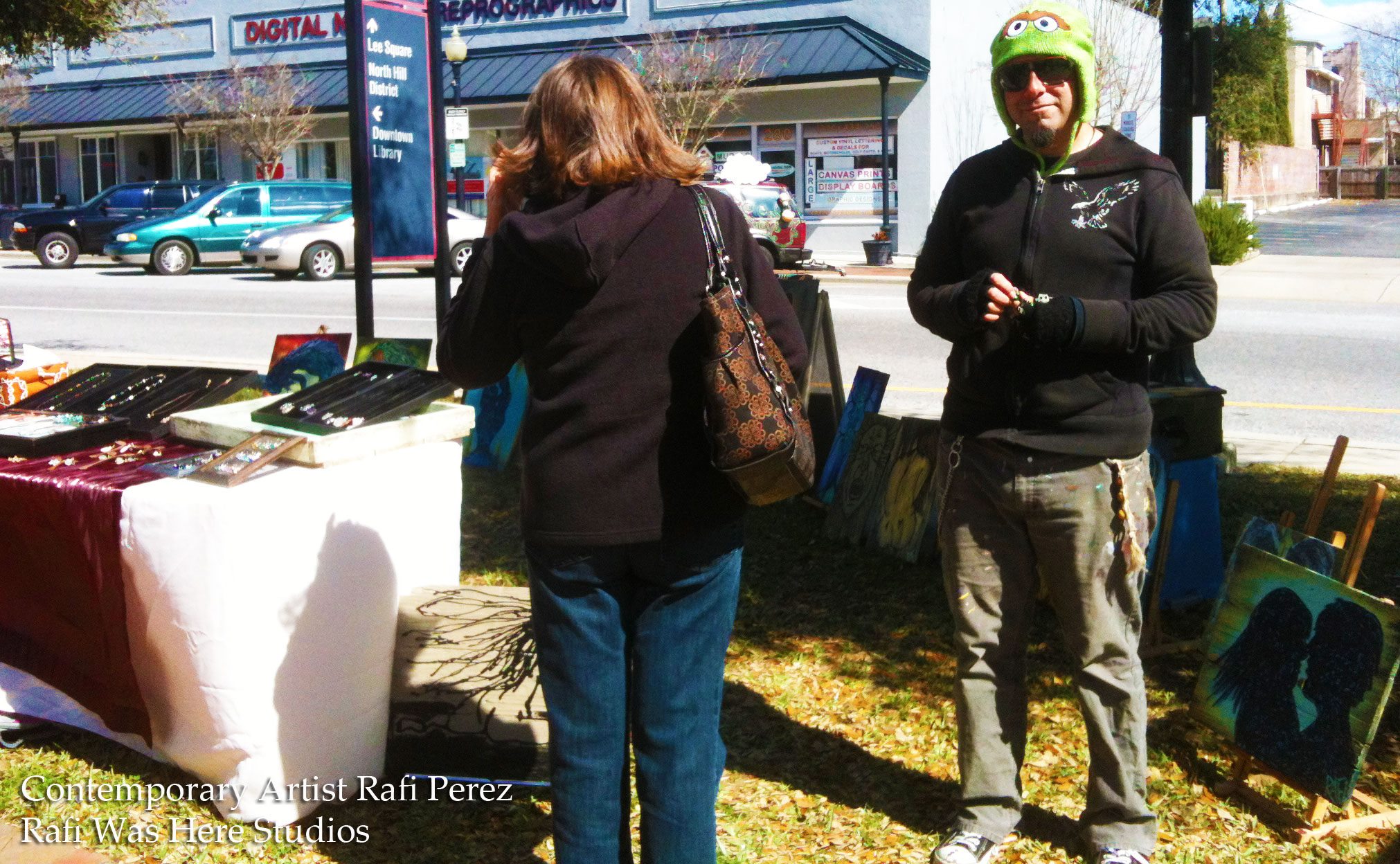
Back when I wasn’t creating as much art, every work of art felt like a struggle, like I was wrestling with the canvas. But when I started doing shows and markets every weekend, I quickly realized I didn’t have time to hem and haw. I needed more work to sell, pushing me to work more confidently and quickly.

I found it useful to have more than one piece in the studio, which is how I operate in the music studio. Having more than one project going allows me to switch things up when I start feeling ear fatigue, eye fatigue, or brain fatigue. When I’m struggling with something, I might set it aside and work on something new for a while. Eventually, something will pop into my brain, and I’ll return to the original piece with fresh ideas and renewed energy.

This approach has helped me work more efficiently instead of struggling with one piece for days. It’s also the same approach I take with production line work. I can move from one to the other when I’m working on several pieces simultaneously, with different themes and styles. But I approach them similarly when I’m working on a series of similar pieces. I chunk the work and move through it with a focus on efficiency.

So, what’s the takeaway here? Being in creative or production mode is finding what works for you. There’s no one right way to do it. Some artists might need more time in the gestation stage, while others might thrive on the excitement of starting something new. The key is to experiment, figure out what works best for you, and then use that knowledge to help you create more efficiently and confidently.

Remember, there’s no need to struggle or wrestle with the canvas. Art is meant to be enjoyed, so find your flow and enjoy the journey.

Find out more about us at http://www.rafiandklee.com


LISTEN TO THE LATEST EPISODES

Less Is More Is Our New Creative Mantra – Artist Podcast ARTIST PODCAST With Rafi And Klee

In this Podcast, Klee and I (Rafi) discuss the concept of doing less for more results and productivity. Lately, I have realized that I have been taking on too much and have come close to burn out. I am adopting a new philosophy that more isn't actually better. WHO ARE RAFI AND KLEE STUDIOS Curious about who we are? Visit our website and get to know us and all we do. https://rafiandklee.com/ ARE YOU A CREATIVE HUMAN? Seeking inspiration, free resources, and a supportive hub to fuel your artistic journey? Look no further! At the Rogue Artist Community, we’ve built a vibrant space designed to empower artists, dreamers, and doers like YOU. Whether you’re an experienced artist, a budding creator, or someone curious about exploring their creativity, our hub has something for everyone. Visit us at https://rogueartistcommunity.com/ to find out more. Thank you for supporting the Artist Life Podcast with Rafi and Klee! You rock!
  1. Less Is More Is Our New Creative Mantra – Artist Podcast
  2. Comparing Yourself Is A Crock
  3. How to Take Lead In Your Art Career When You Want To Be In The Background
  4. Are You A Hobbyist Or A Pro Artist?
  5. Stop Believing The Starving Artist Lie
  6. Getting People To Notice Your Art
  7. Rituals To Get Creative Or Just Weird
  8. Don’t Let Them Make You Quit Your Art – Artist Podcast
  9. Don't Let Them Make You Quit Your Art
  10. Imposter Syndrome and How to Kick It in the Face – Artist Podcast

LISTEN TO US ON YOUR PREFERRED PODCAST PLATFORM

Posted on Leave a comment

PODCAST 127: How We Choose Our Art Events, Festivals, And Competitions

In this podcast, Klee and I discuss how we choose the competitions, art festivals, markets, and events that we do. We consider a few factors when selecting an event and why we want to do it. Find out more about us at http://www.rafiandklee.com


LISTEN TO THE LATEST EPISODES

Less Is More Is Our New Creative Mantra – Artist Podcast ARTIST PODCAST With Rafi And Klee

In this Podcast, Klee and I (Rafi) discuss the concept of doing less for more results and productivity. Lately, I have realized that I have been taking on too much and have come close to burn out. I am adopting a new philosophy that more isn't actually better. WHO ARE RAFI AND KLEE STUDIOS Curious about who we are? Visit our website and get to know us and all we do. https://rafiandklee.com/ ARE YOU A CREATIVE HUMAN? Seeking inspiration, free resources, and a supportive hub to fuel your artistic journey? Look no further! At the Rogue Artist Community, we’ve built a vibrant space designed to empower artists, dreamers, and doers like YOU. Whether you’re an experienced artist, a budding creator, or someone curious about exploring their creativity, our hub has something for everyone. Visit us at https://rogueartistcommunity.com/ to find out more. Thank you for supporting the Artist Life Podcast with Rafi and Klee! You rock!
  1. Less Is More Is Our New Creative Mantra – Artist Podcast
  2. Comparing Yourself Is A Crock
  3. How to Take Lead In Your Art Career When You Want To Be In The Background
  4. Are You A Hobbyist Or A Pro Artist?
  5. Stop Believing The Starving Artist Lie
  6. Getting People To Notice Your Art
  7. Rituals To Get Creative Or Just Weird
  8. Don’t Let Them Make You Quit Your Art – Artist Podcast
  9. Don't Let Them Make You Quit Your Art
  10. Imposter Syndrome and How to Kick It in the Face – Artist Podcast

LISTEN TO US ON YOUR PREFERRED PODCAST PLATFORM

Posted on Leave a comment

PODCAST 126: How To Use Social Media As An Artist

In this podcast, Klee and I discuss how to use social media as an artist. Social media can be a big headache but we have found a way to share what we do without being bogged down by it. Most importantly, we discuss why it is important for your creativity to use social media and not have it use you. To find out more about us go to http://www.rafiandklee.com


LISTEN TO THE LATEST EPISODES

Less Is More Is Our New Creative Mantra – Artist Podcast ARTIST PODCAST With Rafi And Klee

In this Podcast, Klee and I (Rafi) discuss the concept of doing less for more results and productivity. Lately, I have realized that I have been taking on too much and have come close to burn out. I am adopting a new philosophy that more isn't actually better. WHO ARE RAFI AND KLEE STUDIOS Curious about who we are? Visit our website and get to know us and all we do. https://rafiandklee.com/ ARE YOU A CREATIVE HUMAN? Seeking inspiration, free resources, and a supportive hub to fuel your artistic journey? Look no further! At the Rogue Artist Community, we’ve built a vibrant space designed to empower artists, dreamers, and doers like YOU. Whether you’re an experienced artist, a budding creator, or someone curious about exploring their creativity, our hub has something for everyone. Visit us at https://rogueartistcommunity.com/ to find out more. Thank you for supporting the Artist Life Podcast with Rafi and Klee! You rock!
  1. Less Is More Is Our New Creative Mantra – Artist Podcast
  2. Comparing Yourself Is A Crock
  3. How to Take Lead In Your Art Career When You Want To Be In The Background
  4. Are You A Hobbyist Or A Pro Artist?
  5. Stop Believing The Starving Artist Lie
  6. Getting People To Notice Your Art
  7. Rituals To Get Creative Or Just Weird
  8. Don’t Let Them Make You Quit Your Art – Artist Podcast
  9. Don't Let Them Make You Quit Your Art
  10. Imposter Syndrome and How to Kick It in the Face – Artist Podcast

LISTEN TO US ON YOUR PREFERRED PODCAST PLATFORM

Posted on Leave a comment

How To Prepare For A Large Art Installation?

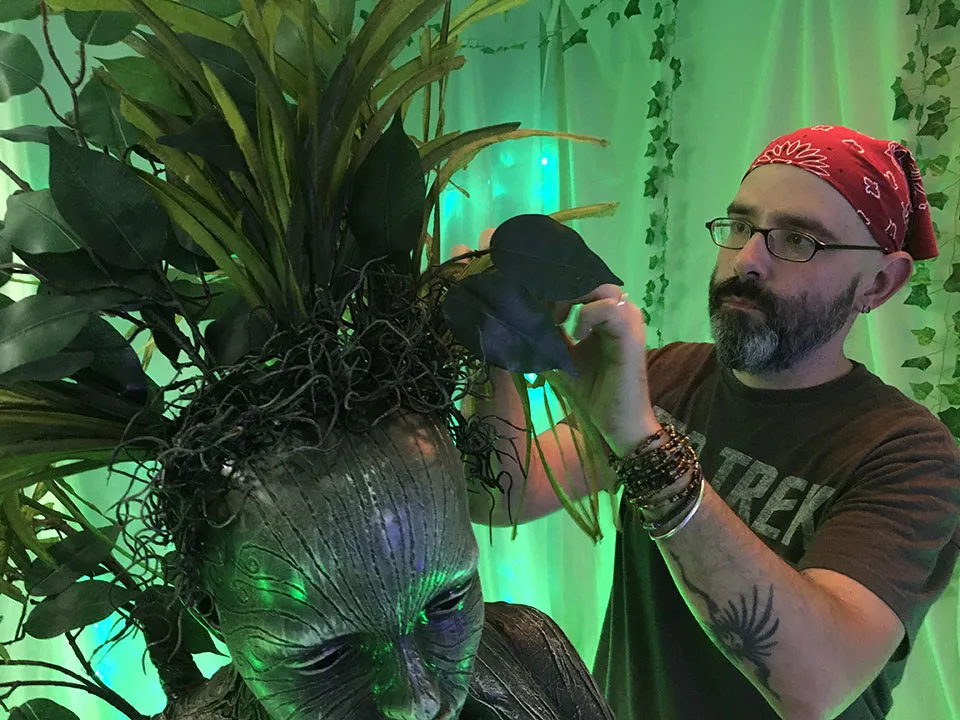
As some of you know, we worked on a massive art installation several years ago. It involved animatronic sculptures and a maze.

Whether you are working on a large art installation or getting ready to show your art at a gallery event, it is crucial to be prepared. As artists, we have many moving parts to what we do when putting ourselves out there, so keeping things organized is essential. If not, it can turn into a significant cluster fudge.

So, here is a checklist I put together to keep things from going crazy in my brain jar. These are just a few questions that help me plan. Download the checklist on our downloads page.

ART Installation Checklist From Beginning To End (By Rafi)

This is my checklist for things to keep in mind during designing, building, operation, and if
I’m involved in taking the installation down. This is for installations that may travel, not for permanent installations.

When Designing And Building – (Questions I ask myself over and over during the
design and build)

Is it easy to transport?

Will it be easy to store?

Can you safely package it for storage?

Can it easily be built by someone else with instructions?

Does it say what you want it to say?

Can it be built free-standing, or is it designed for a particular room size (requires walls and
the ceiling of the room where it is being installed)?

Are there any elements that could be potentially dangerous to the participants?

Is it safe?

Can you see all fire exits, and is it wheelchair accessible?
During Operation – (These are things I inspect after installation goes up)

Is the installation easily maintainable?

Is it easy to clean? Does it need cleaning often?

What feedback are you getting?

Are there any repairs that you need to do? How do you plan to remedy this?

Did you achieve what you wanted to achieve with the installation?

How are people responding to your art?

Is it still safe and secure?

Is there anything you would have done differently? How will you plan for a future project?

Take Down Of Art Installation

Is it easy to take down with instructions?

Are the parts easy to manage and store?

How many people does it take, and how long?

What would you have done differently during design and installation?

Is it easy to transport?

Did it get damaged at all? If so, what will you do differently?

Were there any steps in the process that can be avoided next time?

After storage, can you easily access all items?

Do you have instructions for build and take down?

How did you feel about this experience?

Did you charge enough? If not, how much would you charge next time?

Let me know if you would like me to do a checklist specifically for art shows and festivals. It is something I am currently working on.

Posted on Leave a comment

PODCAST 119: When You Get Ghosted In Your Art Career

In this podcast, Klee and I talk about being ghosted by a client or potential customer when they are purchasing art and how we deal with it. To find out more about us, go to http://www.rafiandklee.com


LISTEN TO THE LATEST EPISODES

Less Is More Is Our New Creative Mantra – Artist Podcast ARTIST PODCAST With Rafi And Klee

In this Podcast, Klee and I (Rafi) discuss the concept of doing less for more results and productivity. Lately, I have realized that I have been taking on too much and have come close to burn out. I am adopting a new philosophy that more isn't actually better. WHO ARE RAFI AND KLEE STUDIOS Curious about who we are? Visit our website and get to know us and all we do. https://rafiandklee.com/ ARE YOU A CREATIVE HUMAN? Seeking inspiration, free resources, and a supportive hub to fuel your artistic journey? Look no further! At the Rogue Artist Community, we’ve built a vibrant space designed to empower artists, dreamers, and doers like YOU. Whether you’re an experienced artist, a budding creator, or someone curious about exploring their creativity, our hub has something for everyone. Visit us at https://rogueartistcommunity.com/ to find out more. Thank you for supporting the Artist Life Podcast with Rafi and Klee! You rock!
  1. Less Is More Is Our New Creative Mantra – Artist Podcast
  2. Comparing Yourself Is A Crock
  3. How to Take Lead In Your Art Career When You Want To Be In The Background
  4. Are You A Hobbyist Or A Pro Artist?
  5. Stop Believing The Starving Artist Lie
  6. Getting People To Notice Your Art
  7. Rituals To Get Creative Or Just Weird
  8. Don’t Let Them Make You Quit Your Art – Artist Podcast
  9. Don't Let Them Make You Quit Your Art
  10. Imposter Syndrome and How to Kick It in the Face – Artist Podcast

LISTEN TO US ON YOUR PREFERRED PODCAST PLATFORM