Posted on 7 Comments

Why Do Some People Think Artists Don’t Have “Jobs”?

I can’t even tell you how many times throughout my creative life I’ve heard this gem. We’ve all heard it. That one sentence that lands in your gut like a wet sandwich. It’s usually preceded by the deadliest three words in the English language: “No offense, but…”

During a recent meeting of the Organization that shall not be named, the person that is supposed to be in charge looked at the only two artists at the meeting and dropped this absolute gem:

“No offense, but as artists, you have more time than the other people here who have jobs.”

Cue the record scratch.

Now, I wasn’t at this specific meeting. To be honest, after the recent tsunami of high-school drama with these people, I needed some space for my own peace of mind. If I had been there, you can bet I would have had a few choice words about that statement. Luckily, we have several friends who go to these meetings who are creative advocates, and they told us the story.
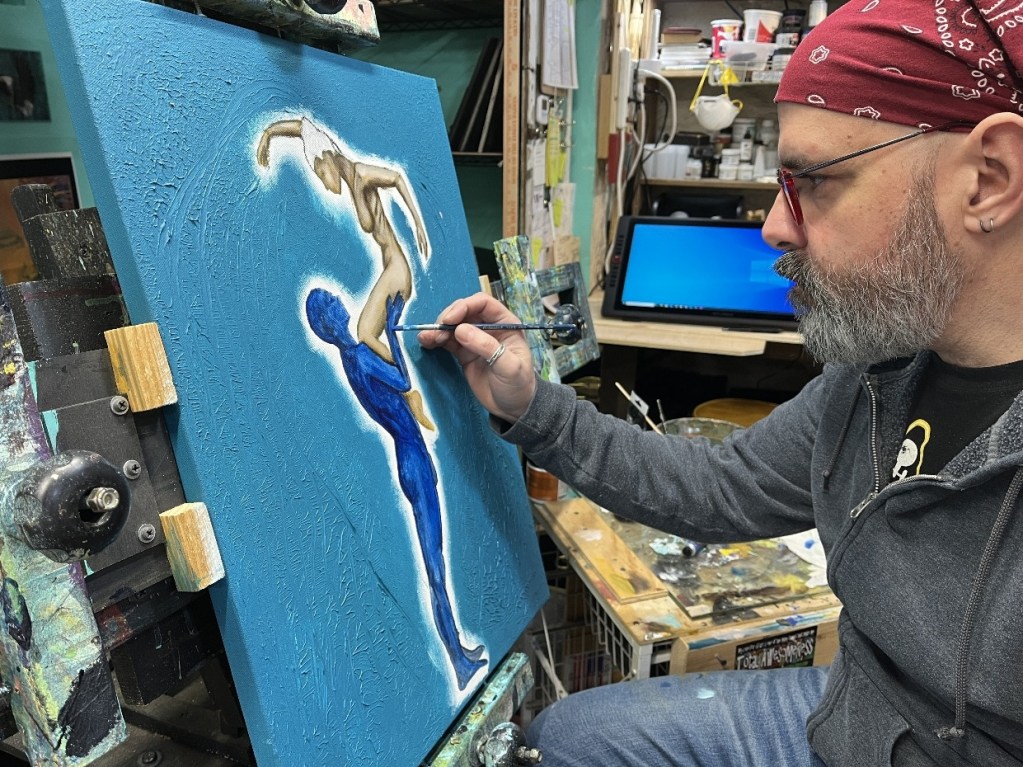
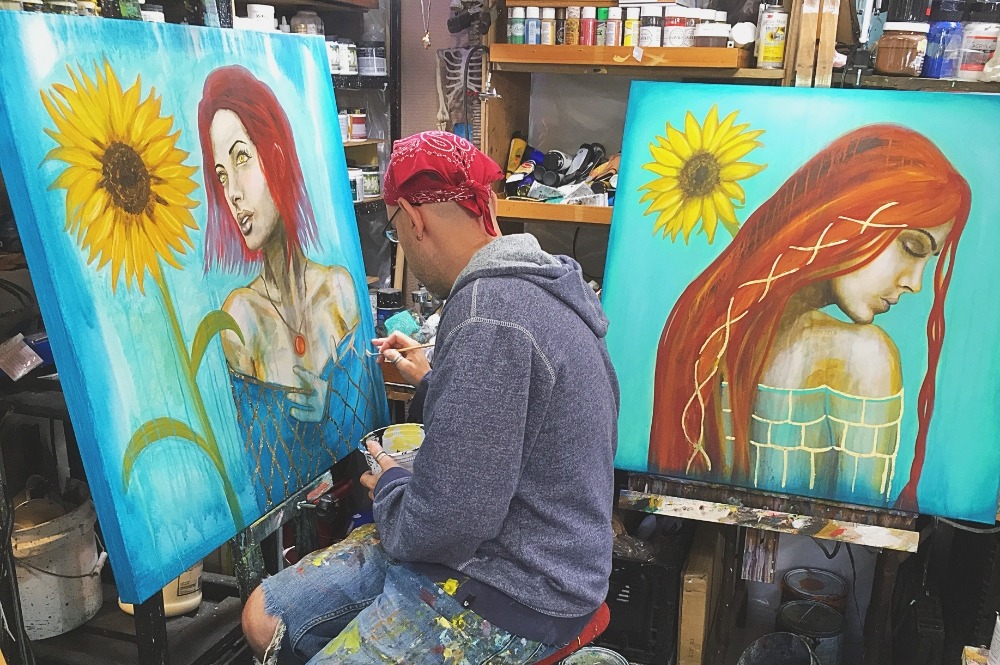
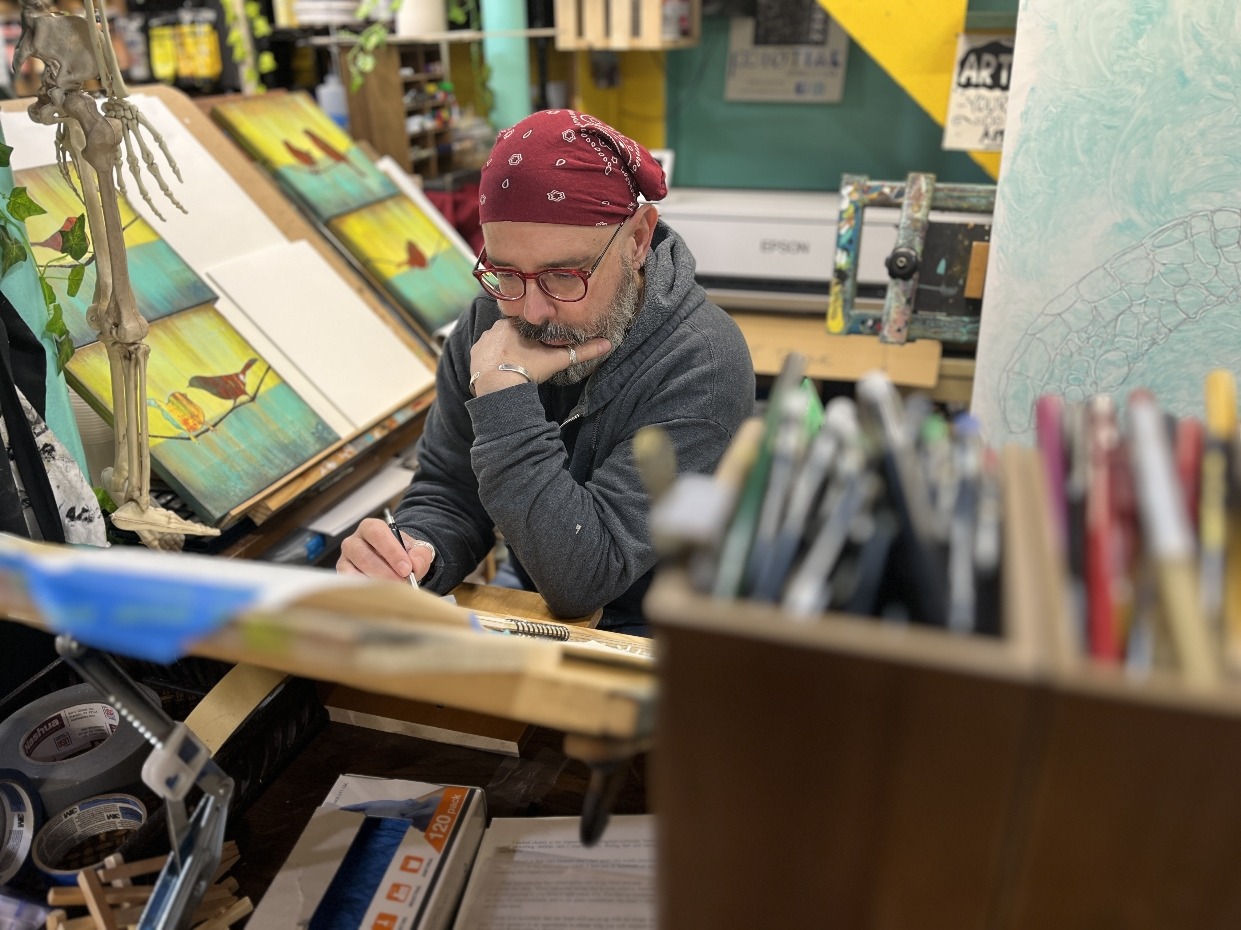
An artist with a beard and glasses is painting on a blue canvas, depicting a figure in dynamic motion, while seated at an easel in a studio.
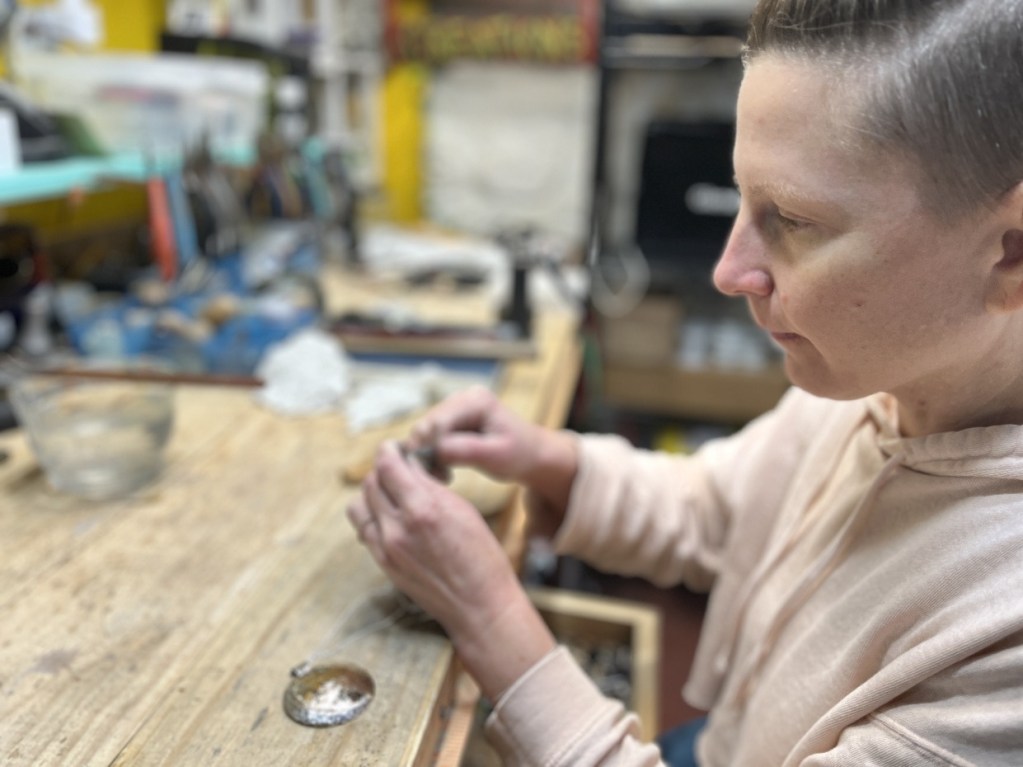
A person working on a craft project at a wooden table, focused on shaping a small object with both hands, surrounded by various tools and materials in a workshop.
Creating Art And Jewelry Doesn’t Just Magically Happen

Unfortunately, the comment wasn’t challenged by a single person there. Not one. Apparently, that kind of behavior is so normalized that no one really noticed it. It just hung there in the air like a bad smell that everyone decided to ignore. That being said, one of the artists at the meeting resigned the day after. That seems to be a common theme from the overwhelming amount of messages I have received from creative people in our area after reading about my own struggles. I think it is ignorant to tell ANY creative that their professional lives don’t actually exist.

Now, I know what you might be thinking, “Rafi, it’s not a big deal, is it?” to which I respond, “Oh yes it is, and here is why.”
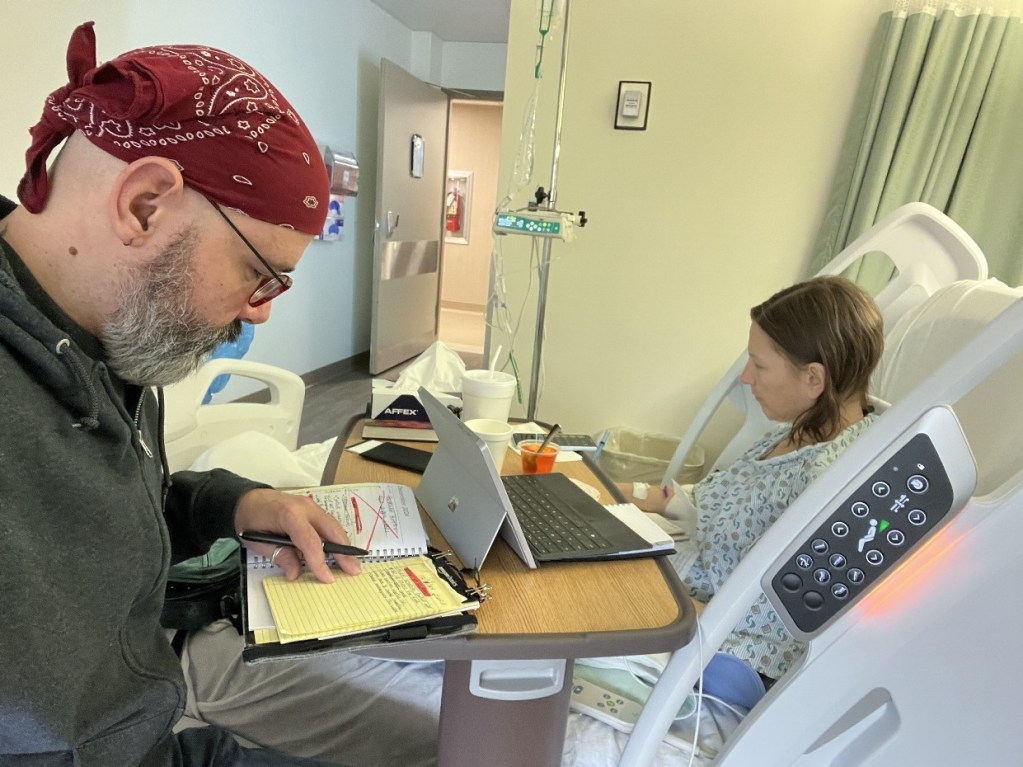
A man with a bandana sits at a bedside table in a hospital room, focusing on a notebook, while a woman in a hospital gown uses a laptop. An IV stand is visible nearby, and the room has soft lighting.
Even When Klee Was Sick In The Hospital We Had A Business To Run

Making a statement like this is just as ignorant as an artist looking at a person with a “real” job and saying:

“No offense, but you have a 9-5, which means you have way more time than I do. You get weekends off, your workday ends early, and you get vacation and holidays off. Not to mention, you have a guaranteed paycheck, so you clearly have a lot more free time.”

See how ridiculous that sounds? It’s absurd to generalize what someone else has going on, especially when you are completely ignorant of what their day-to-day reality actually looks like. Whether you’re in a studio or an office, everyone is juggling a life, a career, and a set of responsibilities that a “no offense” comment can’t begin to cover. Honestly, I love my career and what I do and put out there. Just because I don’t hate my job, doesn’t make it any less of a time commitment.
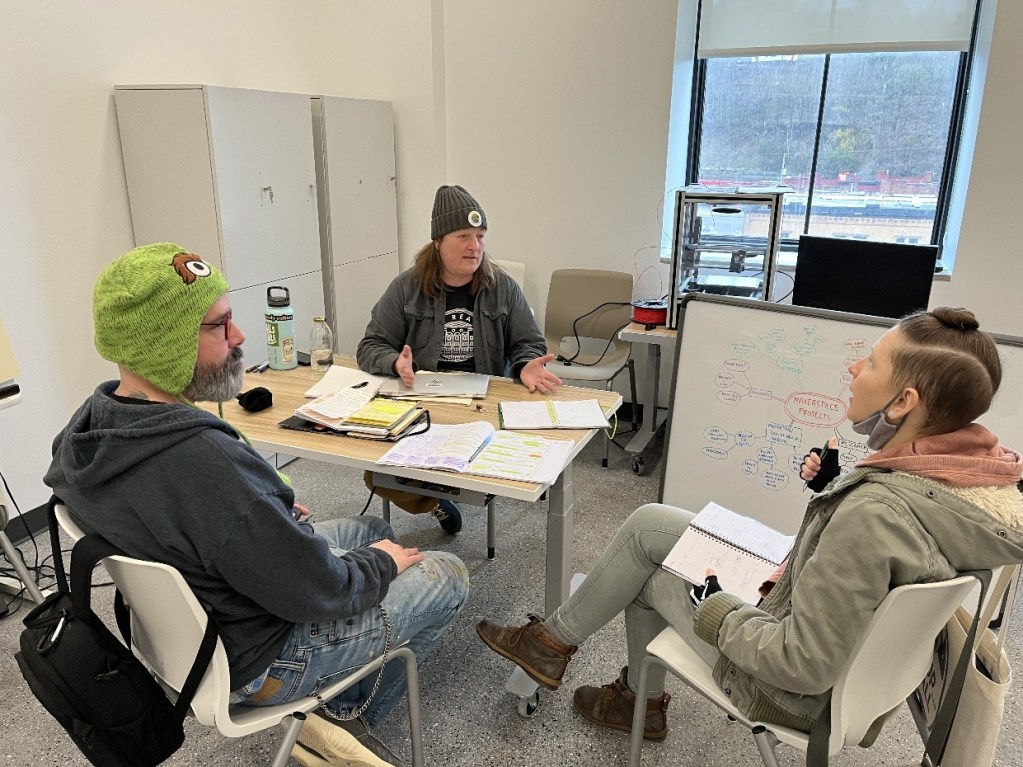
Three individuals engaged in a discussion around a table filled with papers and notebooks in a modern workspace.
We Have Several Meetings A Month (at least one a week) With Several Boards And Committees Where We Are Helping Revitalize Our Area

This problem isn’t just isolated to the one organization or a person. It is a problem you see just about everywhere you look. Apparently, there is a widespread belief that being a professional artist is basically just frolicking through meadows, waiting for a “muse” to whisper sweet nothings into your ear while you wait for your sourdough starter to peak. I don’t think many people can actually conceptualize what we really do.

A speaker stands in front of an audience in a cozy room with a projector screen displaying mountains. The audience includes several individuals seated at tables, some taking notes or using their phones.
We Teach Artist Workshops
A group of people participating in a painting class, each working on their canvases while seated at tables. Decorative evergreen trees are visible in the background.
We Organize And Teach A Monthly Create And Sip
A teacher with a red bandana demonstrates an activity to students at a classroom table, while a chalkboard in the background displays drawings and mathematical equations.
We Teach Kids Art Every Week
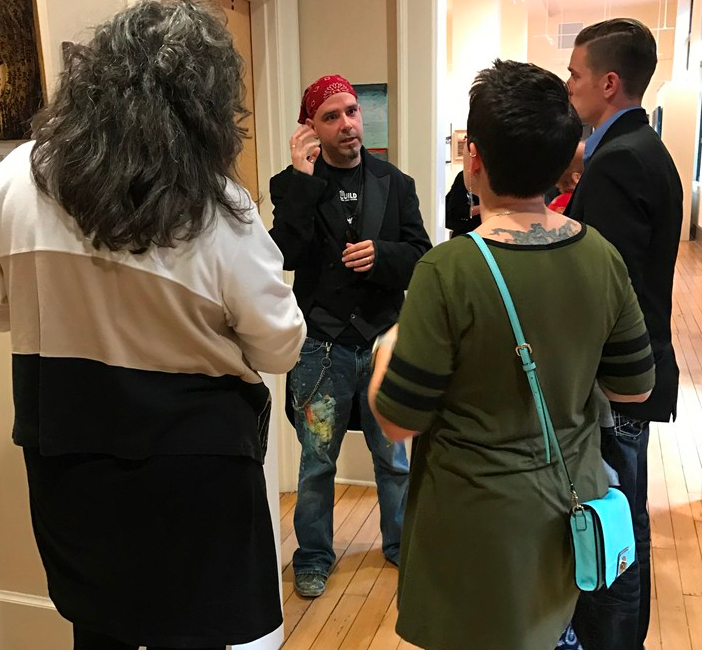
A group of people engaged in conversation inside an art gallery, with artwork displayed on black panels in the background and large windows letting in natural light.
We curate and organize a monthly art exhibition for local artists

Here is why that comment is the Olympic Gold Medalist of Ignorance:

1. The “Job” is the Business

Being a professional artist isn’t just “making stuff.” It’s being a CEO, a Marketing Director, a Logistics Manager, and a Tax Accountant all at once. If an artist isn’t at their “desk,” they are probably:

  • Negotiating contracts.
  • Wrangling shipping logistics.
  • Promoting their business.
  • responding to emails.
  • planning projects, shows, and exhibitions.
  • Managing a social media presence.
  • And figuring out how to balance a creative career with all their other responsibilities.
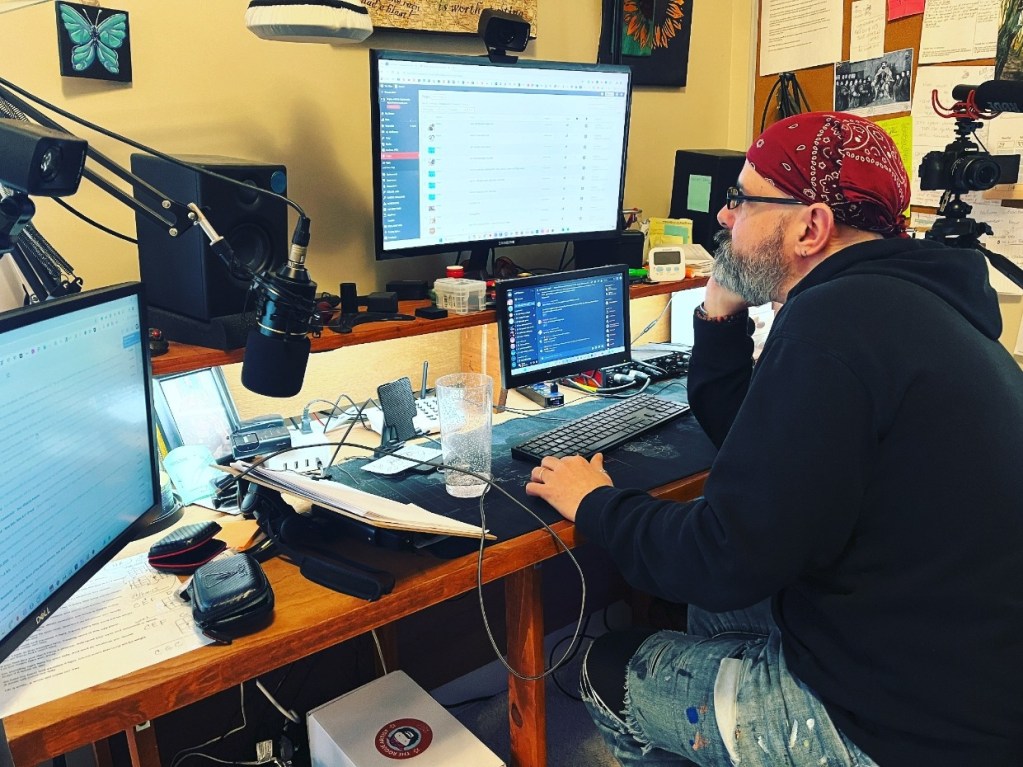
Person working at a desk with multiple computer monitors, a microphone, and a camera. The workspace is cluttered with papers and office supplies.
There is a lot that happens behind the scenes. Websites, accounting, inventory, logistics, and much much more.

2. We Don’t Have “Off” Hours

When you have a “job,” you typically get to clock out. You go home, you watch Netflix, and you stop thinking about the quarterly spreadsheets. An artist? We are always on. Our “free time” is spent figuring out how to pay our bills and responding to client DMs at 11:00 PM because that’s when opportunity strikes.
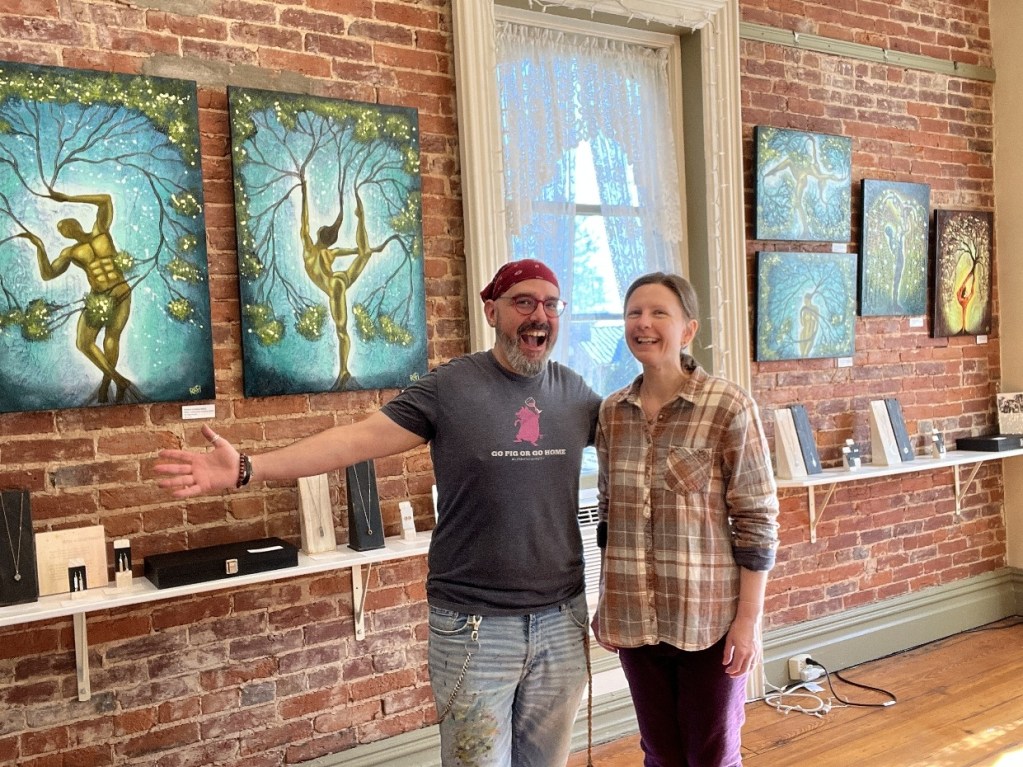
A man and a woman smiling in an art gallery, with colorful paintings on the brick wall behind them and various art pieces displayed on a shelf.
Apply For And Develop Relationships With Galleries And Local Arts Organizations

3. The Lack of a Safety Net

“People with jobs” often have things like… oh, I don’t know… guaranteed salaries. Artists are the ultimate grinders. We don’t have “more time” we have more stakes. If we aren’t working, we aren’t eating. Every hour is a billable hour. Our bills don’t magically get paid because we are artists, we have to make things happen to pay our bills.

The funniest part of this whole saga from the beginning? Creative organizations literally cannot function without creative people. When you insult the creative people who are there to help, you’re essentially trying to fly a plane while insulting the engines. Good luck with the landing!
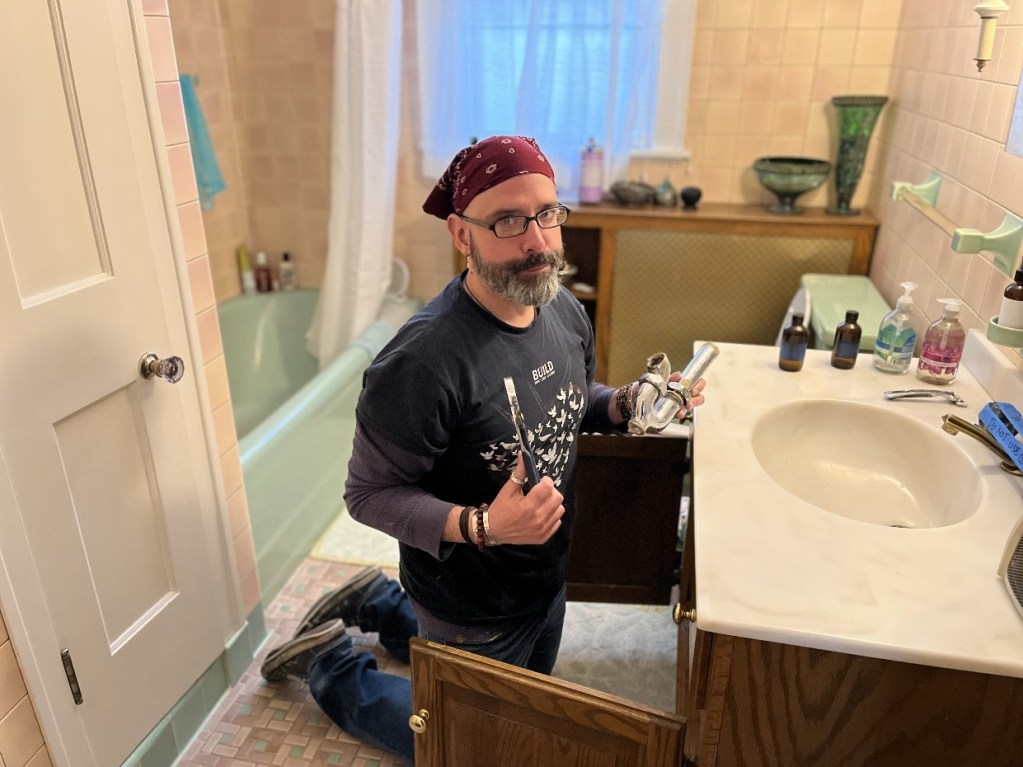
A person kneeling in a bathroom, holding plumbing tools, with an open cabinet and a sink in the foreground.
Home Repairs, Bills, And All The Other Life Stuff We Are Responsible For

To my fellow “jobless” creators who may have run into the same comment:

  • Your time is sacred.
  • Your business is valid.
  • Your “free time” is actually “unpaid labor that makes the world beautiful.”

If someone tries to pull the “no offense” card on you, just remember: they are projecting their own lack of imagination. Keep building your own foundation, keep charging what you’re worth, and keep “frolicking” your way to success.
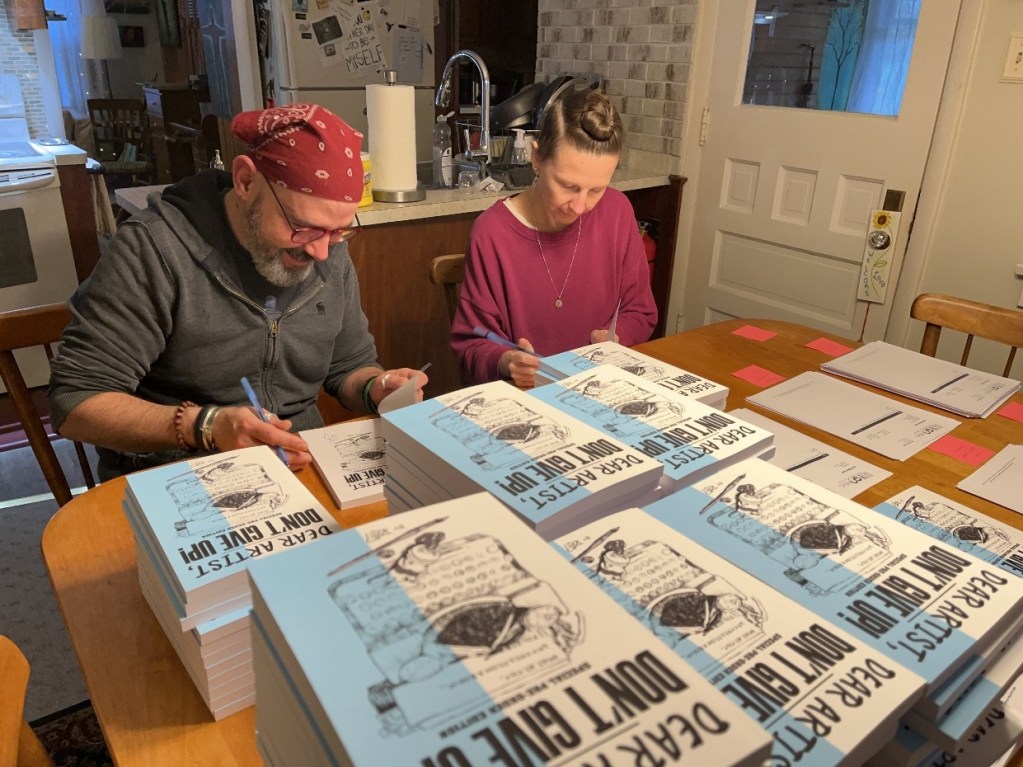
Two individuals signing copies of a book titled 'Dear Artist, Don't Give Up!' at a table filled with stacked books and stationery.
We Write, Edit, Format, Record, Publish, And Distribute Our Artist Books
A woman wearing headphones smiles while sitting at a music production setup with a microphone, computer, and keyboard in a colorful, art-filled room.
We write, Record, Edit, And Distribute Our Own Music

To Everyone Who Reached Out About My Recent Experience

I want to thank you for reaching out with your experience in dealing with the same drama I dealt with recently. Whether it was online, or the many members of our community who showed their support. Thank you. I had recently pulled back from saying anything about the individuals in question on our public forum, because honestly, I was over it. And I still am. However, they don’t seem to be done with me. I think they are under the impression that no one tells us what is happening behind closed doors and what they are saying. It’s kind of stupid honestly. So, as far as I’m concerned, I’m done with it, and I am moving on. But if they come at me, I’ll be filling you in on the drama. The truth is, I just don’t care enough about them, but I won’t stay quiet when attacked. So, as long as they back off, we are good.

If you are curious about what happened you can read the full story here.
Posted on 5 Comments

How I’m Still Winging It After Four Books?

So… I released a book! YAY!
And we had a Book Release Party Stream, and holy heck, it was awesome. Seeing all of you awesome humans pop in, chat, laugh, and celebrate with us! That moment was pure gold. I may or may not have ugly-cried off-camera (don’t judge).

There’s something incredible about spending months (okay, years) sweating over words, punctuation, and coffee stains, only to finally see the book out in the world. It’s like raising a kid who finally moves out… except the kid is made of paper and crippling self-doubt. It’s amazing seeing the thing you wrestled into existence finally out there. You spend months hunched over a laptop, muttering at Word documents and threatening your spell checker, and then one day… boom ! It’s a real book!

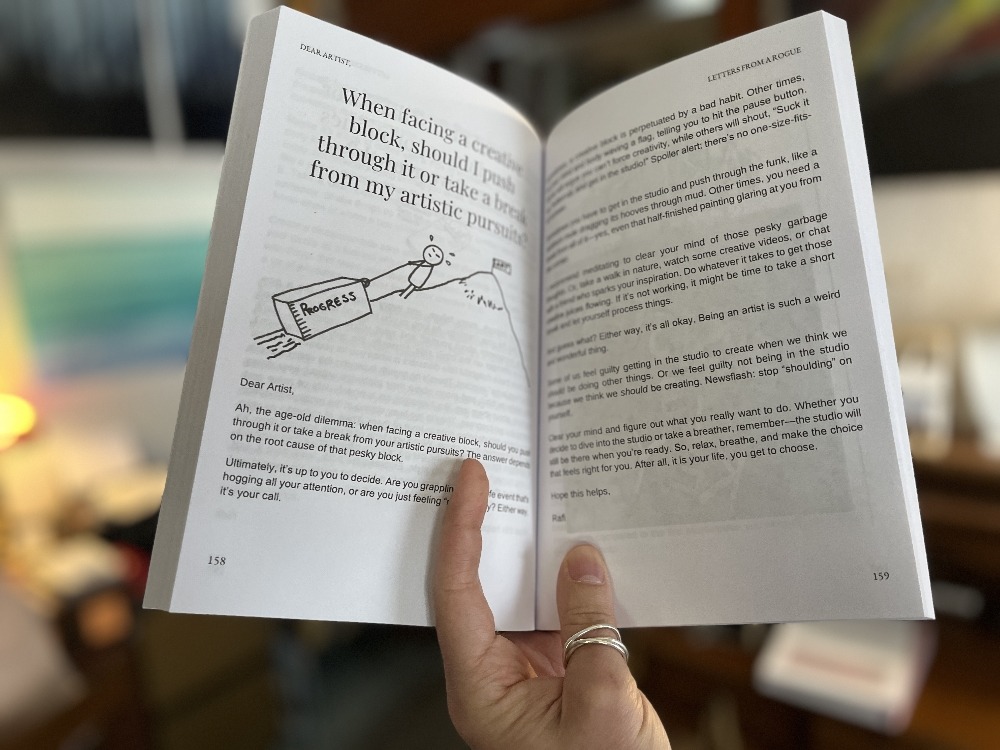
A person holding a page from a book titled 'Dear Artist' with text discussing creative block, accompanied by an illustration of a character debating whether to push through or take a break.

Let’s be honest, I feel like I have a handle on creating art and sculpture. Paint? Metal? Wood? No problem. Writing? Pfft. Total mystery. I’ve published four books now, and I still have no idea what I’m doing.

Like, I’ll sit there thinking, “Ah yes, I’ll write a profound paragraph that will move humanity.”
Three hours later: “Why does every sentence sound like I’m trying to explain taxes to a squirrel?”

The learning curve for me has looked like this:

  • Book 1: “What’s a copyright?”
  • Book 2: “Wait, I have to format this myself?”
  • Book 3: “Why do I hate every word I’ve ever written?”
  • Book 4: “Okay, maybe I’m getting the hang of this?” (Narrator: he is not.)
A cartoon depicting a character in an art studio painting a dog on an easel. The text reads: 'IF YOU WAIT UNTIL IT'S PERFECT, YOU'LL BE WAITING FOREVER. Just paint the damn thing.'

Let me paint a picture of my writing process so you understand where I’m coming from and how I’ve come to grips with writing:

  1. Stage One: Confidence. “I’ve got this. I’m an author now.”
  2. Stage Two: Doubt. “Wait… why does this sound like a grocery list?”
  3. Stage Three: Despair. “I’ve made a huge mistake.”
  4. Stage Four: Delusion. “Actually, this might be genius!”
  5. Stage Five: Editing. “Who wrote this garbage?? Oh right, me.”

It happens every time. It’s funny when I think about it. This pretty much describes my creative process. For example, in book writing adventures, here’s what I’ve experienced:

  • I once spent two days trying to decide whether “artist’s” or “artists’” had the right number of apostrophes.
  • I re-read entire chapters out loud just to realize I’d used the word actually 27 times.
  • My inner critic doesn’t even whisper anymore… it shows up in a bathrobe, eating chips, and says, “You sure this isn’t just word salad with feelings?”
  • Half my first drafts read like I’m trying to win an argument with myself.
  • Don’t even get me started on formatting. Every time I export a file for print, it’s like opening a book report full of red marks.
An artist reviews a stack of books at a cluttered workbench, surrounded by various art supplies and artworks in progress.

That being said, I started to notice something familiar in the chaos. The insecurity, the trial and error, the weird joy when something finally clicks. Writing a book isn’t that different from creating art.

When I paint or sculpt, there’s that ugly middle stage. You know, when everything looks wrong and you question your life choices. Writing has that too. You stare at the screen thinking, This makes no sense. I’m a fraud. I should go sell fruit baskets by the highway.

Then, just like in art, you keep showing up. You move things around. You trust that eventually, the mess will start making sense. It’s that same mix of doubt and wonder that keeps you going, the same muscle that turns chaos into creation.

At this point, I’m convinced writing a book is 20 percent inspiration and 80 percent figuring out what you did wrong after you hit publish. One of the biggest issues I ran into after publishing my book is ISBNs.

Two individuals seated at a table, each signing copies of the book titled 'DEAR ARTIST: DON'T GIVE UP!' surrounded by stacks of the book.

Oh, the glamorous world of ISBNs. You know those little numbers on the back of books? Yeah, those. They come from a company called Bowker, and they’ve been running the ISBN racket since the late 1800s.

It started with a guy named Frederick Leypoldt, a publisher who apparently thought, “You know what would make books more fun? Numbers!” Then R. R. Bowker took over and turned it into a business. And not just any business, a business that has been charging authors for numbers for over 145 years. I’m not saying it’s a monopoly, but… okay, it’s totally a monopoly.

Here’s how it works:

  • 1 ISBN = $125
  • 10 ISBNs = $295
  • 100 ISBNs = $575

It’s like a Costco membership for book numbers that make no sense. Buy in bulk, or pay the “I only need one” sucker price. And you need a separate ISBN for every format: paperback, hardcover, e-book, audiobook, second edition, third edition, even that “slightly-different-cover-because-I-changed-my-mind” edition. Each one needs a different ISBN.

A person with a bandana and tattoos is working at a bulletin board filled with small notes, while a sign above reads 'The Rogue Artist's: Survival Guide, written by Rafi.'

This is where I’m running into my next conundrum. The audiobook and e-book for Dear Artist is done and ready to go, but I don’t have any ISBNs to publish them under.

Honestly, it’s wild. I feel like Bowker could release a board game: “Guess how many ISBNs you forgot to buy!” Winner gets anxiety and a lighter wallet.

So yeah, I released the soft cover during the Book Release Party (woohoo!) and now I’m running a little fundraiser sale to raise money for the next batch of ISBNs. The goal? Get 100 of them so I don’t run out before I die or write another four books that I “accidentally” format wrong. The sale works like this, buy an original book drawing, poster, or signed copy of the dear artist book and we set that aside for a new batch of ISBNs. Everything is on sale to make it more irresistible.

An original drawing featuring a character holding signs that say 'Support Local Artists,' 'Will Paint 4 Support,' and 'Open Commissions,' alongside the book 'Dear Artist, Don't Give Up!'

We’re 42 percent of the way there (which feels like the perfect “Hitchhiker’s Guide to the Galaxy” number).

If you want to help us get there:
Buy an original drawing, poster, or signed book.
Every purchase helps me avoid future ISBN shortages, artistic meltdowns, and potential caffeine overdoses.

To everyone who tuned in to the book release stream. thank you. You made the whole thing unforgettable. I can’t tell you how good it felt to share that moment with you instead of just screaming triumphantly alone in my studio (though, to be fair, that has also happened).

You guys make this crazy ride worth it. You remind me why I keep writing, even when I feel like I’m wrestling with grammar and losing.

So here’s to doing it wrong, learning as we go, and celebrating every weird, wonderful victory along the way. I may still be winging it, but I’m winging it with style.

— Rafi

Posted on Leave a comment

PODCAST 193: Getting People To Notice Your Art

In this podcast, Klee and I (Rafi) discuss ways to get people to notice your art, but putting yourself out there in unique and fun ways. We also discuss your web presence and pet peeves that we have.

Watch Video Here:


LISTEN TO THE LATEST EPISODES

Are You Holding Your Art Hostage – Artist Podcast ARTIST PODCAST With Rafi And Klee

In this podcast, we dive deep into the paralyzing habit of perfectionism and ask the tough question: Are you holding your art hostage? Many creators keep their best work locked away, waiting for the "perfect" moment or a level of skill that always feels just out of reach. We discuss the psychological barriers that turn our passion into a prison and share actionable strategies to help you release your work into the world. WHO ARE RAFI AND KLEE STUDIOS Curious about who we are? Visit our website and get to know us and all we do. https://rafiandklee.com/ WANT TO KNOW MORE ABOUT OUR COMMUNITY ON PATREON? https://rafiandklee.com/patreon/ Thank you for supporting the Artist Life Podcast with Rafi and Klee! You rock!
  1. Are You Holding Your Art Hostage – Artist Podcast
  2. Rafi And Klee Live Q & A – Public Podcast Recording
  3. The Ugly Middle Phase Of Art – Artist Podcast
  4. Creating Art For Yourself Vs The Algorithm – Artist Podcast
  5. Myth Of Big Break For Artists – Bonus Artist Podcast
  6. Day Job Vs Your Art Job – Artist Podcast
  7. Coming Back To Creativity – Artist Podcast
  8. Knowing When To Push Or Step Back In Your Art Career
  9. Things We Wish Someone Told Us As Baby Artists – Artist Podcast
  10. How to Talk About Art Without Being a Snob – Bonus Artist Podcast

LISTEN TO US ON YOUR PREFERRED PODCAST PLATFORM

Posted on Leave a comment

PODCAST 192: Rituals To Get Creative Or Just Weird

In this episode, Klee and I dive into the creative rituals that help us get into the zone in our studio. From morning routines and mindset shifts to music, movement, and a few quirky habits, we share the ways we set the stage for inspiration to flow. Whether you’re looking to shake off creative block or refine your own rituals, this conversation is all about embracing the magic of the creative process!


LISTEN TO THE LATEST EPISODES

Are You Holding Your Art Hostage – Artist Podcast ARTIST PODCAST With Rafi And Klee

In this podcast, we dive deep into the paralyzing habit of perfectionism and ask the tough question: Are you holding your art hostage? Many creators keep their best work locked away, waiting for the "perfect" moment or a level of skill that always feels just out of reach. We discuss the psychological barriers that turn our passion into a prison and share actionable strategies to help you release your work into the world. WHO ARE RAFI AND KLEE STUDIOS Curious about who we are? Visit our website and get to know us and all we do. https://rafiandklee.com/ WANT TO KNOW MORE ABOUT OUR COMMUNITY ON PATREON? https://rafiandklee.com/patreon/ Thank you for supporting the Artist Life Podcast with Rafi and Klee! You rock!
  1. Are You Holding Your Art Hostage – Artist Podcast
  2. Rafi And Klee Live Q & A – Public Podcast Recording
  3. The Ugly Middle Phase Of Art – Artist Podcast
  4. Creating Art For Yourself Vs The Algorithm – Artist Podcast
  5. Myth Of Big Break For Artists – Bonus Artist Podcast
  6. Day Job Vs Your Art Job – Artist Podcast
  7. Coming Back To Creativity – Artist Podcast
  8. Knowing When To Push Or Step Back In Your Art Career
  9. Things We Wish Someone Told Us As Baby Artists – Artist Podcast
  10. How to Talk About Art Without Being a Snob – Bonus Artist Podcast

LISTEN TO US ON YOUR PREFERRED PODCAST PLATFORM

Posted on Leave a comment

PODCAST 191: Don’t Let Them Make You Quit Your Art

In this podcast, Klee and I discuss art experts or anyone who thinks they know better than you on how to do this whole art career thing. Truth is, it’s your life, and only you get to decide how to live it.


LISTEN TO THE LATEST EPISODES

Are You Holding Your Art Hostage – Artist Podcast ARTIST PODCAST With Rafi And Klee

In this podcast, we dive deep into the paralyzing habit of perfectionism and ask the tough question: Are you holding your art hostage? Many creators keep their best work locked away, waiting for the "perfect" moment or a level of skill that always feels just out of reach. We discuss the psychological barriers that turn our passion into a prison and share actionable strategies to help you release your work into the world. WHO ARE RAFI AND KLEE STUDIOS Curious about who we are? Visit our website and get to know us and all we do. https://rafiandklee.com/ WANT TO KNOW MORE ABOUT OUR COMMUNITY ON PATREON? https://rafiandklee.com/patreon/ Thank you for supporting the Artist Life Podcast with Rafi and Klee! You rock!
  1. Are You Holding Your Art Hostage – Artist Podcast
  2. Rafi And Klee Live Q & A – Public Podcast Recording
  3. The Ugly Middle Phase Of Art – Artist Podcast
  4. Creating Art For Yourself Vs The Algorithm – Artist Podcast
  5. Myth Of Big Break For Artists – Bonus Artist Podcast
  6. Day Job Vs Your Art Job – Artist Podcast
  7. Coming Back To Creativity – Artist Podcast
  8. Knowing When To Push Or Step Back In Your Art Career
  9. Things We Wish Someone Told Us As Baby Artists – Artist Podcast
  10. How to Talk About Art Without Being a Snob – Bonus Artist Podcast

LISTEN TO US ON YOUR PREFERRED PODCAST PLATFORM

Posted on Leave a comment

PODCAST 190: Imposter Syndrome and How to Kick It in the Face – Artist Podcast

In this episode, Klee and I (Rafi) dive headfirst into the wild and wacky world of imposter syndrome—that sneaky little gremlin that whispers, “You’re not a real artist!” We talk about how it creeps in, why it’s full of nonsense, and most importantly, how to shut it down like a boss. Expect laughs, personal stories, and practical ways to silence that inner critic so you can create with confidence. So grab a snack, tune in, and let’s tackle that imposter jazz together!


LISTEN TO THE LATEST EPISODES

Are You Holding Your Art Hostage – Artist Podcast ARTIST PODCAST With Rafi And Klee

In this podcast, we dive deep into the paralyzing habit of perfectionism and ask the tough question: Are you holding your art hostage? Many creators keep their best work locked away, waiting for the "perfect" moment or a level of skill that always feels just out of reach. We discuss the psychological barriers that turn our passion into a prison and share actionable strategies to help you release your work into the world. WHO ARE RAFI AND KLEE STUDIOS Curious about who we are? Visit our website and get to know us and all we do. https://rafiandklee.com/ WANT TO KNOW MORE ABOUT OUR COMMUNITY ON PATREON? https://rafiandklee.com/patreon/ Thank you for supporting the Artist Life Podcast with Rafi and Klee! You rock!
  1. Are You Holding Your Art Hostage – Artist Podcast
  2. Rafi And Klee Live Q & A – Public Podcast Recording
  3. The Ugly Middle Phase Of Art – Artist Podcast
  4. Creating Art For Yourself Vs The Algorithm – Artist Podcast
  5. Myth Of Big Break For Artists – Bonus Artist Podcast
  6. Day Job Vs Your Art Job – Artist Podcast
  7. Coming Back To Creativity – Artist Podcast
  8. Knowing When To Push Or Step Back In Your Art Career
  9. Things We Wish Someone Told Us As Baby Artists – Artist Podcast
  10. How to Talk About Art Without Being a Snob – Bonus Artist Podcast

LISTEN TO US ON YOUR PREFERRED PODCAST PLATFORM

Posted on Leave a comment

PODCAST 189: Embracing Happy Accidents And Bold Choices

In this podcast, Klee and I (Rafi) discuss taking risks and going with the flow as an artist. Sometimes we may fail, that’s all part of the journey. But we will never experience what is possible unless we really go for it and risk falling flat on our face.


LISTEN TO THE LATEST EPISODES

Are You Holding Your Art Hostage – Artist Podcast ARTIST PODCAST With Rafi And Klee

In this podcast, we dive deep into the paralyzing habit of perfectionism and ask the tough question: Are you holding your art hostage? Many creators keep their best work locked away, waiting for the "perfect" moment or a level of skill that always feels just out of reach. We discuss the psychological barriers that turn our passion into a prison and share actionable strategies to help you release your work into the world. WHO ARE RAFI AND KLEE STUDIOS Curious about who we are? Visit our website and get to know us and all we do. https://rafiandklee.com/ WANT TO KNOW MORE ABOUT OUR COMMUNITY ON PATREON? https://rafiandklee.com/patreon/ Thank you for supporting the Artist Life Podcast with Rafi and Klee! You rock!
  1. Are You Holding Your Art Hostage – Artist Podcast
  2. Rafi And Klee Live Q & A – Public Podcast Recording
  3. The Ugly Middle Phase Of Art – Artist Podcast
  4. Creating Art For Yourself Vs The Algorithm – Artist Podcast
  5. Myth Of Big Break For Artists – Bonus Artist Podcast
  6. Day Job Vs Your Art Job – Artist Podcast
  7. Coming Back To Creativity – Artist Podcast
  8. Knowing When To Push Or Step Back In Your Art Career
  9. Things We Wish Someone Told Us As Baby Artists – Artist Podcast
  10. How to Talk About Art Without Being a Snob – Bonus Artist Podcast

LISTEN TO US ON YOUR PREFERRED PODCAST PLATFORM

Posted on Leave a comment

PODCAST 188: How To Really Go For It As An Artist

In this podcast, Klee and I (Rafi) dive into what it truly means to go for it as an artist. We share our experiences, challenges, and mindset shifts that have helped us push past fear, self-doubt, and the noise of the art world. Whether you’re just starting or deep in the creative grind, this conversation is all about embracing the journey, taking risks, and making art on your own terms.


LISTEN TO THE LATEST EPISODES

Are You Holding Your Art Hostage – Artist Podcast ARTIST PODCAST With Rafi And Klee

In this podcast, we dive deep into the paralyzing habit of perfectionism and ask the tough question: Are you holding your art hostage? Many creators keep their best work locked away, waiting for the "perfect" moment or a level of skill that always feels just out of reach. We discuss the psychological barriers that turn our passion into a prison and share actionable strategies to help you release your work into the world. WHO ARE RAFI AND KLEE STUDIOS Curious about who we are? Visit our website and get to know us and all we do. https://rafiandklee.com/ WANT TO KNOW MORE ABOUT OUR COMMUNITY ON PATREON? https://rafiandklee.com/patreon/ Thank you for supporting the Artist Life Podcast with Rafi and Klee! You rock!
  1. Are You Holding Your Art Hostage – Artist Podcast
  2. Rafi And Klee Live Q & A – Public Podcast Recording
  3. The Ugly Middle Phase Of Art – Artist Podcast
  4. Creating Art For Yourself Vs The Algorithm – Artist Podcast
  5. Myth Of Big Break For Artists – Bonus Artist Podcast
  6. Day Job Vs Your Art Job – Artist Podcast
  7. Coming Back To Creativity – Artist Podcast
  8. Knowing When To Push Or Step Back In Your Art Career
  9. Things We Wish Someone Told Us As Baby Artists – Artist Podcast
  10. How to Talk About Art Without Being a Snob – Bonus Artist Podcast

LISTEN TO US ON YOUR PREFERRED PODCAST PLATFORM

Posted on Leave a comment

Put Together a Solo Art Show Without Losing Your Mind

So, you’re planning a solo art show. First of all—hell yeah! This is a huge milestone. It means you’re ready to put yourself and your art out there in a big way. But let’s be honest—this can be equal parts exhilarating and terrifying.

Maybe you’re thinking: I have no idea what I’m doing! What if no one shows up? What if it’s a disaster? What if I trip over my own feet in front of everyone and become a viral internet meme?

Breathe, my creative human. I’ve done this, I survived, and I’m here to help you do the same. So let’s break it down—step by step—so you can put together a badass solo show without losing your mind.

Step 1: Find a Venue (Even If a Gallery Won’t Give You the Time of Day)

If you’re already working with a gallery, great. But if you’re not, don’t sit around waiting for someone to discover you like a Hollywood movie. You don’t need gallery representation to have a killer solo show.

Try This Instead: The Pop-Up Art Show Move

Find an empty storefront in a busy area and contact the owner. Many landlords would rather have something happening in their space instead of it sitting there collecting dust. Offer to rent it for a few days, clean it up, and make it look nice. Sometimes you can even get it for free just by promising to leave it better than you found it.

The key is thinking outside the box—coffee shops, breweries, coworking spaces, even an industrial warehouse could work. You’re not just putting on a show—you’re creating an experience.

Step 2: Curate Like a Boss

Now that you have a space, you need to fill it with work that makes people stop, stare, and say, Whoa.

What You Need:

  • Enough Art to Fill the Space – Aim for at least 20-40 pieces that fit a theme.
  • A Killer Name for Your Exhibition – Something catchy, intriguing, and meaningful.
  • A Showstopper Piece – One or two jaw-dropping, mind-blowing works that people can’t stop talking about. Bonus points if it’s interactive.
  • A Cohesive Experience – Make sure everything in your show feels intentional. You don’t want a beautiful, moody series about introspection next to a random painting of a cat wearing sunglasses. (Unless that’s the theme—then by all means, go for it.)

Step 3: Design the Space Like You’re Crafting a Story

People aren’t just coming to look at your art. They’re coming to experience it. The layout of your show should guide them on a journey—like a visual mixtape that hits all the right emotional beats.

Pro Tips:

  • Map It Out – Take measurements. Sketch a floor plan. (Yes, actual planning—it’s worth it.)
  • Create a Flow – Think about what people see first when they walk in. Where do their eyes go? Where do their feet go? Lead them like a mastermind.
  • Use Corners for Drama – Make people turn a corner and get hit with a moment that stops them in their tracks.
  • Avoid Bottlenecks – If you have a bar or snack area, make sure it’s not blocking traffic. People shouldn’t have to play an awkward game of Twister just to get a drink.

Step 4: Set the Mood (Because Art Is More Than Just What’s on the Wall)

An art show is a full-body experience. The art is the main event, but the atmosphere? That’s what makes it unforgettable.

  • Lighting Matters – Spotlights for hero pieces, ambient lighting for mood. Think about how light affects color and texture.
  • Music Sets the Vibe – Don’t just put on a random playlist—choose something that enhances the art. And no, elevator jazz is not the default.
  • Food & Drinks Are Your Secret Weapon – People love free snacks. Even something simple—wine, cheese, crackers—keeps people happy and lingering longer.
  • Make It an Experience – Could you add something interactive? A live painting demo? A guest book where people leave thoughts and doodles? A surprise performance? Anything that makes your show stand out from the usual “art-on-walls” setup.

Step 5: Get People to Show Up (Because an Empty Show Is Just You, Sitting in a Room, Staring at the Wall)

You’ve got the art. You’ve got the space. Now you need people.

Start Promoting Two Months in Advance:

  • Social Media Slow Burn – Don’t just blast “COME TO MY SHOW” 50 times. Instead, tease the process—show your studio, works-in-progress, close-up details, behind-the-scenes struggles. Get people invested before you hit them with the invite.
  • Flyers & Posters Still Work – Drop them at local coffee shops, bookstores, community centers, anywhere cool people hang out.
  • Press Releases = Free Publicity – Send a short, punchy press release to local newspapers, blogs, radio stations. Many will cover local events for free—but only if they know about it.
  • Event Listings Are Your Friend – Most cities have free event calendars online. Use them.
  • The One-Week Hype Bomb – In the final week, go all in with reminders, countdowns, last-minute teasers. The goal? Create excitement and urgency.

Step 6: The Show Itself (AKA: Don’t Panic and Just Enjoy It)

  • Don’t Stress About Sales – People hate being pressured. Just enjoy the night. If someone loves your work, they’ll ask. And if they don’t buy now, they might later—especially if the experience sticks with them.
  • Be Present, Not Salesy – Instead of pushing for a sale, share stories about your work. People connect with why you made something, not just what it is.
  • Thank People for Coming – Even if they don’t buy anything. Even if they just wandered in off the street for free wine. Gratitude goes a long way.
  • Have a Way for People to Stay Connected – A sign-up sheet, a QR code to your website, business cards—something so they can follow your work after the show.

Final Thoughts: Make It Fun, Make It Memorable, and Just Go for It

Look, I get it—putting on a solo show is scary. But it’s also one of the most rewarding things you can do as an artist. You’re creating an experience, sharing your work, and showing the world that you’re serious about this art thing.

So plan it well, make it an event people talk about, and most importantly—have fun with it.

Now go forth and make some art magic happen.

Have a solo show coming up? Tell me about it in the comments.

Watch The Video I created About Having A Solo Art SHow:

Posted on 7 Comments

The Artist’s Eternal Battle Against “Helpful” Advice

There’s a universal truth about being an artist: at some point, you will find yourself sitting across from a random business “expert” who has absolutely no idea what to do with you.

This isn’t to say business programs are all bad—some programs out there are fantastic for small creative businesses. But every now and then, the system spits out someone whose entire entrepreneurial philosophy is deeply allergic to creativity.

Take, for instance, my brilliant artist friends—creative powerhouses who could probably design an entire alternate universe if left alone in a room with enough coffee and a glue gun. They dabble in a variety of art—puppet-building, drawing, painting, animation, candle-making, writing, and photography. Storytelling is at the heart of everything they do, whether through short stories, photographs, puppetry, or a collection of unique candle scents. Their mission is simple: create something fun and unique to share with the world while embracing a life of adventure, travel, and boundless creativity.

Early in my career, I was told I was wasting my time and needed to get a real job.

They recently got into a really good business program that would give them access to a business coach, which sounds great in theory. A chance to learn, expand, and take their art to the next level. Except… the coach was the human embodiment of a beige PowerPoint presentation on “synergy.”

My friends, fueled by artistic chaos and brilliance, met with this coach, eager to share their vision. The response?

“Puppets are dead.”

I repeat: puppets. are. dead.

Now, I don’t know about you, but last time I checked, puppets were very much alive, thriving, and probably plotting world domination (because have you met puppeteers? They have plans). The coach then proceeded to tell them that pretty much, everything they were doing was wrong—not “needing refinement,” not “requiring a strategic tweak,” just wrong.

Puppets are not dead.

I’m sure he didn’t mean to sound like a robot programmed to discourage anyone who doesn’t sell widgets at Walmart, but let’s be real—this is a tale as old as time.

Artists and the Box That Does Not Fit

The biggest battle for artists isn’t making art. It’s dealing with people who just don’t get it. Many people love art and artists. But some have no idea what actual art is. Those people like art only in safe, pre-approved formats:

  • Big blockbuster movies? Love it.
  • Art prints at Target? Aesthetic!
  • Pre-made sculptures made out of recycled toaster parts with an interactive light show? What is this sorcery?

Too many business “experts” view creative careers through the lens of traditional marketing strategies. They want to fit us into their pre-cut, shrink-wrapped boxes, and if we don’t fit? Well, obviously, it’s because we’re wrong.

It’s frustrating, it’s exhausting, and it’s deeply stupid. Because here’s the thing:

  • Art is not meant to fit in a box.
  • Art is not safe.
  • Art is the wild, untamed, chaotic force that dares to bring something new into the world.

That’s why artists struggle when they encounter people who insist on the “proven” way of doing things. Those “proven” methods only work for things that already exist. But we’re here to create what doesn’t exist yet.

If we followed the “rules,” we wouldn’t have surrealism, street art, or the entire concept of animation (which, fun fact, was also declared “a waste of time” once).

Persistence is the only thing that shuts people up.

The Real Problem: Judgment Disguised as Advice

Let’s be honest, the hardest part of being an artist isn’t the work—it’s the constant judgment. It’s the well-meaning “concern” from people who act like we’re throwing our lives away because we don’t have a LinkedIn profile filled with business achievements.

It’s the casual dismissals. The naysaying. The patronizing conversations where someone talks to you as if you’re a wayward toddler instead of a highly skilled creative professional.

And I get it. It stings. It’s frustrating. It makes you want to throw a puppet at someone’s head just to prove that, no, they are not dead.

But I want you to remember something very important: their opinions do not define your potential.

At the end of the day, no one has walked in your shoes. No one knows what you are capable of. No one can tell you what’s possible unless you let them.

If they don’t get it? That’s their loss. There are plenty of people who will.

Artists are the kinds of people who figure their own way of doing things.

Some Advice for When the World Doesn’t Get You

  1. Trust Your Vision – If your ideas excite you, they are worth pursuing. The greatest creative breakthroughs have always started as something that others dismissed as too weird, too different, or too impractical. Keep going.
  2. Consider the Source – If someone gives you advice, ask yourself: does this person have experience in what I do? Do they understand the creative world? If not, take their words with a grain of salt. Some people give advice because they want to help. Others do it because they can’t handle anything outside of their own limited perspective.
  3. Remember, Everything New is “Impossible” at First – The lightbulb was ridiculous before it worked. The internet was a joke before it changed the world. Animation was “silly” before it became a multi-billion dollar industry. Every great idea looks strange to the people who can’t see beyond what already exists.
  4. Surround Yourself with People Who Get It – There will always be voices telling you to stop, to do something safer, to follow the well-worn path. The key is to tune them out and listen instead to the people who understand your vision—the ones who push you forward instead of holding you back.
  5. Let Rejection Be Your Fuel – If someone tells you it can’t be done, take that as a personal challenge. The best revenge against doubters is to succeed in a way they never saw coming.
  6. Create Anyway – At the end of the day, art is about making something because it needs to exist. Whether the world is ready for it or not, whether the business experts approve or not, whether it fits in their box or not—create anyway. Because what you make might be the very thing that changes everything.

So go forth and keep making things that don’t fit in a box. The world needs you, even if some people are too narrow-minded to see it.