Posted on — Leave a comment

PODCAST 130: How We Deal With Creativity Critics

In this podcast, Klee and I discuss creativity critics. These art critics side-seat you and have unsolicited advice on what you are doing. To find out more about us, visit http://www.rafiandklee.com


LISTEN TO THE LATEST EPISODES
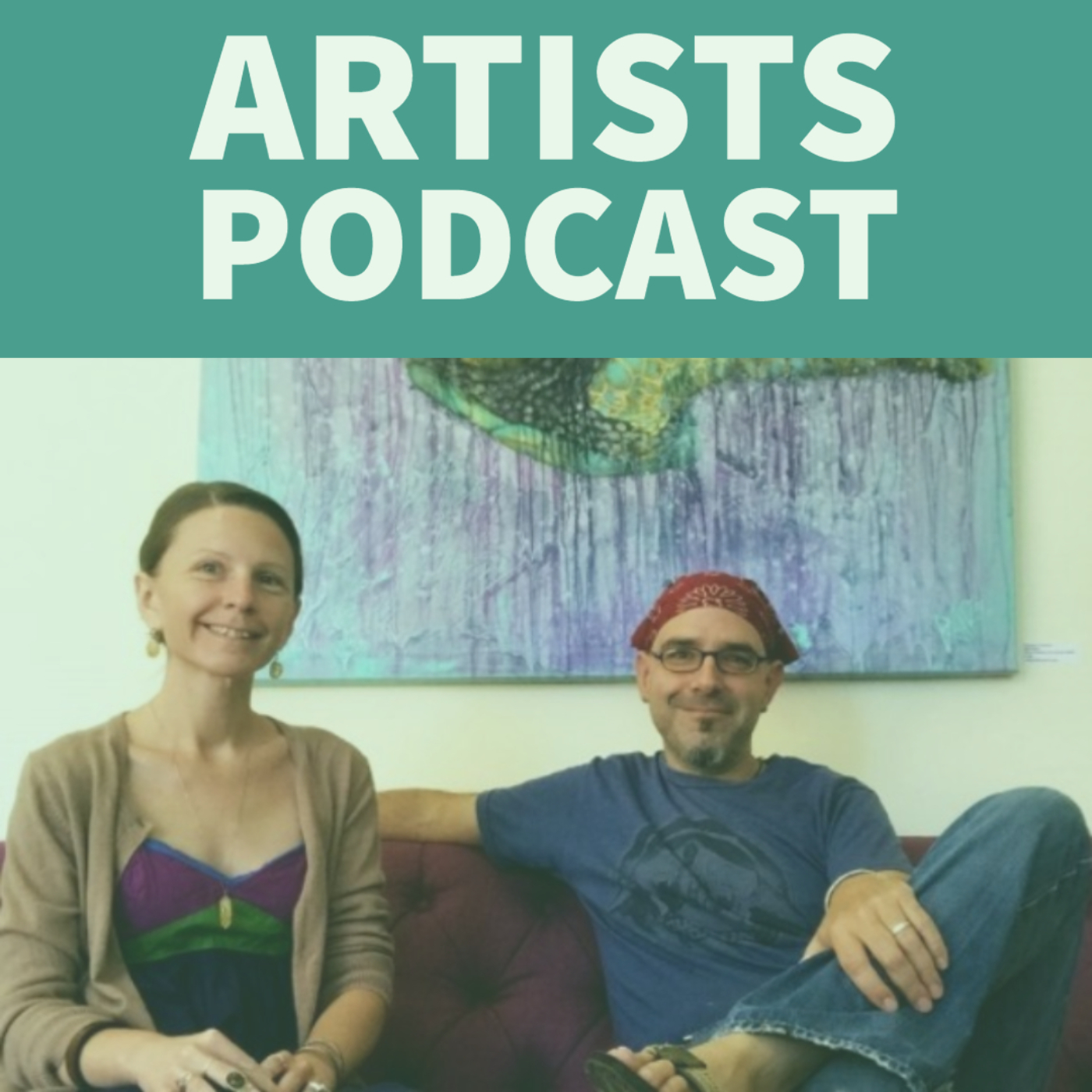
How Do We Feel About Seasonal Art – Artist Podcast – ARTIST PODCAST (With Rafi And Klee)

In this podcast, Klee and I (Rafi) discuss (among other topics) our thoughts on seasonal art and how creative work shifts with the rhythms of the year. We dive into the main mindset shifts, challenges, and realities that come with making art tied to seasons, holidays, or changing creative energy throughout the year. Bottom line? Understanding the natural seasons of your creative process can help you work with your flow instead of fighting it. Episode Title: Our Thoughts On Seasonal Art If this resonated with you, hit that Like button, Subscribe, and let us know your thoughts in the comments! WHO ARE RAFI AND KLEE STUDIOS Curious about who we are? Visit our website and get to know us and all we do. https://rafiandklee.com/ WANT TO JOIN US IN THE CHAT FOR THE LIVE PODCAST ON PATREON? https://rafiandklee.com/patreon/ Thank you for supporting the Artist Life Podcast with Rafi and Klee! You rock!
  1. How Do We Feel About Seasonal Art – Artist Podcast
  2. Art For Artsake – Artist Podcast
  3. Start Betting On Yourself As An Artist – Artist Podcast
  4. The Joy Of Creating Unmarketable Art – Artist Podcast
  5. Navigating The Valley Of Suck – Artist Podcast
  6. Keeping Your Art Career Fun – Artist Podcast
  7. Reconnecting With Your Creative Spark – Artist Podcast
  8. The Permission Slip You Don’t Need – Artist Podcast
  9. Expectations Vs Reality – Artist Podcast
  10. Stop Working So Hard – Artist Podcast

LISTEN TO US ON YOUR PREFERRED PODCAST PLATFORM

Posted on — Leave a comment

Hindsight Is 20 20

Hi Rogues! Today, I want to talk about something really important in keeping an art career going: hindsight. It’s so easy to forget where you’ve come from and how much you’ve grown as an artist. That’s why I keep a sketchbook or a journal, or something where I can document my journey. Every once in a while, when I’m feeling down or uninspired, I use social media to look back at my progress. Somehow, it works. People follow my journey, and I’m with them. It’s so important to keep yourself motivated because it’s easy to forget that we are growing each day, even if it’s just a little bit.

As artists, we all have those days when we feel like quitting. We feel like we suck and that everything we do is terrible. It doesn’t matter who you are, it’s going to happen. But when you look back at your journey, you can see how much you’ve progressed. You can see that you’re not in the same place as before. You’re growing in your career, your art, your capabilities, and even as a human being. Remember how terrified you were when you went out and did your first festival? How much of a success and win it was to push through that comfort zone? Two or three years later, you’re doing shows every weekend like it’s no big deal. It’s essential to recognize how far you’ve come.

For some people, the first step in their art career is sharing their art for the first time. After a year or so, they feel like they’re stuck in the same place. But when you look back at where you started, you can see how far you’ve come. You’re not in the same place anymore. You’ve grown as an artist, and that’s something to be proud of.

Pushing out of your comfort zone and facing your fears is so important because you know that later on, in hindsight, you’ll look back and be proud of yourself. You’ll see that you’re capable of overcoming anything. It’s like being able to weld tiny components on jewelry, even when your hands shake so much you can barely hold the tool. At first, you might have to walk away, but with practice, you become more comfortable with it. That’s the journey. And it’s that journey that leads to optimism and the possibility of future projects that you don’t even know how to do yet. When you look back at what you’ve overcome, you’ll realize that the things that seem daunting now are just part of that process.

Keeping a record of your journey is so important. It can be through social media, a journal, or a sketchbook, or some combination of those things. Even watching these videos back on YouTube, I can see how far I’ve come. I remember a time when I was petrified if the camera came anywhere near me. But now, look at where I am. I’m a badass. Keeping a record helps you to see your growth, and it helps you to trust in your own capabilities.

So, remember to look back at your journey every once in a while. It’s easy to forget where you’ve come from, but it’s essential to recognize how far you’ve come. Keep a record of your journey, and don’t be afraid to push out of your comfort zone. You never know where it might lead you.

Posted on — Leave a comment

Stop Being A Starving Artist

I want to talk about the myth of the starving artist. Many people have tried to discourage aspiring artists from pursuing a career in the arts, especially because art is often seen as insignificant in the financial world. However, the fact is that art is all around us, and being an artist is one of the most significant things that you could be.

One of the most common myths is that you won’t make any money until after death. This is simply not true. Many successful artists have achieved great financial success; my wife and I are examples of this. We make a living with our art; while we’re not millionaires, we make enough to pay our bills and live life the way we want.

Another myth is that you have to wait around to be discovered. The truth is that every successful artist, both historically and currently, put themselves out there in a way where they could be found. They didn’t wait to be discovered. They made a living with their art by putting themselves out there and managing their finances smartly. If you’re not making money, it’s time to figure out ways to make money with your creativity. Many artists supplement their income with other work, such as teaching, freelance design, or selling merchandise related to their work. It’s not about suffering for your art. It’s about being determined and doing whatever it takes to keep creating.

We live in a digital media world, and artists have many opportunities to earn money. You can sell your prints, license your work, use it in advertising, or put it on various products. With the internet, you have a much greater reach and audience than ever. You can invent your methods of putting yourself out there, whether finding a different town or pushing yourself online.

At the end of the day, it’s all about being determined and not making excuses. If you’re passionate about your art, you’ll find a way to make it work.

Yes, it’s not the easiest path, but it’s a path that is filled with passion, creativity, and fulfillment. And yes, you may have to supplement your income with other work, but that doesn’t mean you can’t make a living with your art. You have to be smart about it and explore different avenues.

Also, don’t believe in the myth of the starving artist. It’s just that, a myth. Many successful artists out there are making a great living with their art. It’s just a matter of putting in the work and being persistent. The key is not to give up and keep pushing forward.

Another essential thing to remember is not to compare yourself to other artists. Your journey is unique, and you have your own voice and style. It’s important to embrace that and not try to fit into a mold that doesn’t feel authentic. Stay true to yourself and your vision.

And finally, always remember why you started creating art in the first place. It’s easy to get caught up in the financial aspect and lose sight of the joy and passion that brought you to this path. Keep that passion alive and let it guide you through the ups and downs.

In conclusion, being an artist is a journey that requires dedication, hard work, and persistence. But it’s also a journey that is filled with beauty, creativity, and fulfillment. So, don’t let anyone discourage you from pursuing your dreams, and always remember to stay true to yourself and your vision. Happy creating!

Posted on — Leave a comment

PODCAST 129: Embrace Your Awkward Side As An Artist

In this podcast, Klee and I discuss embracing your awkward side as an artist. Believe it or not, this is a superpower. find out more about us at http://www.rafiandklee.com


LISTEN TO THE LATEST EPISODES

How Do We Feel About Seasonal Art – Artist Podcast – ARTIST PODCAST (With Rafi And Klee)

In this podcast, Klee and I (Rafi) discuss (among other topics) our thoughts on seasonal art and how creative work shifts with the rhythms of the year. We dive into the main mindset shifts, challenges, and realities that come with making art tied to seasons, holidays, or changing creative energy throughout the year. Bottom line? Understanding the natural seasons of your creative process can help you work with your flow instead of fighting it. Episode Title: Our Thoughts On Seasonal Art If this resonated with you, hit that Like button, Subscribe, and let us know your thoughts in the comments! WHO ARE RAFI AND KLEE STUDIOS Curious about who we are? Visit our website and get to know us and all we do. https://rafiandklee.com/ WANT TO JOIN US IN THE CHAT FOR THE LIVE PODCAST ON PATREON? https://rafiandklee.com/patreon/ Thank you for supporting the Artist Life Podcast with Rafi and Klee! You rock!
  1. How Do We Feel About Seasonal Art – Artist Podcast
  2. Art For Artsake – Artist Podcast
  3. Start Betting On Yourself As An Artist – Artist Podcast
  4. The Joy Of Creating Unmarketable Art – Artist Podcast
  5. Navigating The Valley Of Suck – Artist Podcast
  6. Keeping Your Art Career Fun – Artist Podcast
  7. Reconnecting With Your Creative Spark – Artist Podcast
  8. The Permission Slip You Don’t Need – Artist Podcast
  9. Expectations Vs Reality – Artist Podcast
  10. Stop Working So Hard – Artist Podcast

LISTEN TO US ON YOUR PREFERRED PODCAST PLATFORM

Posted on — Leave a comment

Experiment With Your Art

Hi, creative geniuses! Welcome to Monday Motivation Madness! Today, I want to talk about something that I believe is crucial for our growth as artists – Experimentation.

As artists, we are always in our creative spaces, playing with our materials and tools. It’s easy to get stuck in our comfort zones, doing things that we already know work. But, to truly challenge ourselves, we need to step out of our comfort zones and try new things.

I love the thrill of getting a new tool or a new set of materials or taking on something that’s slightly out of my wheelhouse. It’s one of the reasons that I love our colab lab challenge and taking on commissions. They usually present a challenge as well. However, I want to emphasize that there’s a healthy way to take on challenges and an unhealthy way. When you embrace a challenge, you must set parameters for yourself, such as doing something for the first time and enjoying the entire process.

One of the biggest mistakes that artists make is overthinking their work. Overthinking takes you out of the flow and makes it harder for you to experiment with something new. So, instead of overthinking, throw caution to the wind and play around. All it takes is practice, and you will get better at it. You need to get out of your head and step into the flow.

This week, I want you to experiment, push out of your comfort zone, enjoy the process, have fun, and try not to focus on the negative things. Understand that every step that doesn’t work leads to something that does work for you. When you’re experimenting, you get to create your techniques and play around, which is fantastic. I enjoy owning the methods that I use in my art because, most of the time, I don’t know what I’m doing.

So, my fellow artists, embrace experimentation, push through those comfort zones, and reach out for the stars. Allow yourself to play and experiment in your studio or workspace. Remember to enjoy the process and have fun. Don’t be afraid to make mistakes because they lead to growth.

I hope this Monday Motivation Madness has inspired you to experiment with new tools, new materials, or new techniques. Remember to focus on the process and have fun. Experiment vigorously and step out of your comfort zone.

Enjoy your week, my fellow artists, and I’ll see you next week. Adios!

Posted on — Leave a comment

What Is The Difference Between A Coop And A Vanity Gallery

Hi Rogues! In this podcast, we will talk about the difference between vanity and co-op galleries. Now, you may ask, “What is a vanity gallery?” A vanity gallery is a predatory gallery that focuses solely on making money without regard for the art’s quality or the artist’s career. They prey on artists’ insecurities, making it easy for them to fall for the trap. On the other hand, co-op galleries are owned and managed by a collective of artists. The artists become members of the co-op, and the members run the gallery.

One of the most significant differences between these two types of galleries is ownership. Vanity galleries are typically privately owned by an individual or a small group of individuals who are not necessarily artists. In contrast, co-op galleries are owned by the collective of artists that make up the co-op. This difference is crucial because in vanity galleries, the owners exploit artists, while in co-op galleries, the members run the gallery for the benefit of all members.

Another key difference between these two galleries is the selection process. Vanity galleries usually do not have a rigorous selection process for their artists. They typically accept anyone willing to pay for an exhibition. Co-op galleries, however, have a more stringent selection process. A group of artists within the co-op usually reviews the artwork to ensure that it is a good fit for the artists that are already there. The artists usually choose which new members are going to join the gallery through a vote.

The cost is another difference between vanity galleries and co-op galleries. Vanity galleries usually charge high fees to artists for the exhibition space or offer other services like promoting their artwork, which all come at an extra cost. In contrast, co-op galleries usually have lower prices, including membership fees and a percentage of the sales. The expenses are shared among all the members of the co-op, making it more affordable for everyone.

Control is also a significant difference between these galleries. In vanity galleries, one person has complete control over the exhibition and events, while in co-op galleries, there is a more democratic process. All members have a say in the events and shows, and a vote makes decisions. This democratic process makes co-op galleries more inclusive and welcoming for all members.

Reputation is another difference between these galleries. Vanity galleries are often seen as less reputable and less serious than co-op galleries. Co-op galleries are highly regarded by the community they serve because they do a lot of community outreach. In contrast, vanity galleries are often seen as just in it for the money.

Expertise is also a significant difference between these galleries. Vanity galleries usually do not have curators or professionals working in them. They often present themselves as having professional staff, but this is not always the case. Co-op galleries, on the other hand, have members who are professionals and artists who have a wealth of experience and knowledge in the art world.

Finally, the focus of each type of gallery is different. Vanity galleries are focused solely on making a profit, while co-op galleries are focused on promoting their members’ artwork and the art community in general. Vanity galleries often overcharge artists to cover their bills and do nothing to promote the artists they represent. Co-op galleries, on the other hand, have members who work to promote each other’s artwork and organize exhibitions and educational programs.

In conclusion, the difference between vanity galleries and co-op galleries is crucial for artists to understand. Vanity galleries are predatory and solely focused on making a profit, while co-op galleries are focused on promoting the art community and its members. Artists should take the time to research and vet any gallery they consider working with to ensure that it is a good fit for them. Remember, the art world can be full of traps, so be sure to protect yourself and your money.

Posted on — Leave a comment

Dealing With Art Critics And Rude Sounds

Hola, amazing artists! I’m excited to announce that our studio is finally up and running. As we organize our taxes, I wanted to address a question from one of our followers about how to deal with art critics. I understand art is personal, and criticism can be tough. However, there are ways to approach it that can be helpful.

The first thing to remember is that you must work on your anxiety about being criticized. It is crucial to confront your emotions and work on them until they no longer bother you. When you receive criticism, don’t have a knee-jerk response. Instead, consider if there is anything constructive you can take from the critique. You want to keep an open mind so you don’t disregard feedback outright. It’s also essential to examine the source of the criticism. Understanding where the person is coming from can provide valuable insight.

Secondly, art is subjective. Everyone has different tastes and opinions. Not everyone will appreciate your work, and that’s okay. You can’t please everyone, so don’t try. Some people will love your art, and some won’t. Accepting this fact can help you take criticism less personally.

Thirdly, use criticism as fuel. If someone criticizes your work, let it motivate you to work harder and create better art. It’s important not to feel ashamed or embarrassed. Instead, use it as an opportunity to prove them wrong. When my dad didn’t understand my abstract art, I used it as a motivator. I told myself I would become so good at it that he would have to eat his words. Using criticism as a driving force can help you push yourself to improve.

Finally, question the criticism. If someone criticizes your work, ask them why they feel that way. If their critique is baseless, they will have difficulty finding a valid reason for their opinion. Challenging the criticism can help you understand the person’s perspective and lead to valuable insights.

Dealing with art critics is one thing, but what about revving engines outside the studio when you’re trying to film a video? This situation can be equally frustrating. Here are a few tips for dealing with it:

Firstly, be patient. It’s essential to remember that you can’t control everything. If someone is revving their engine outside, you can’t force them to stop. Try not to let it get under your skin, and keep calm.

Secondly, try to work around it. If the noise is too loud, try filming at another time when it’s quieter. If that’s not an option, consider changing the location of the shoot. Be creative and adapt to the situation.

Thirdly, communicate. If the noise is recurring, try talking to the person responsible for it. In my case, it’s a passerby that I can only shake my fists at. However, if it is a neighbor, explain your situation and ask if they could avoid making noise during your filming time. Be polite and friendly, and they may be willing to help.

In conclusion, dealing with art critics and outside noise can be challenging, but remaining calm and approaching the situation with a level head is essential. Remember that art is subjective, and not everyone will appreciate your work. Use criticism as a driving force, and be patient when dealing with external factors. Keep creating and striving to be the best artist you can be! aaaand most importantly! Have fun!

Posted on — Leave a comment

Enjoy The Process Of Creating Art

This week’s topic is perfectionism. We discuss how many artists struggle to achieve the perfect outcome. We all have different ideas and definitions of perfection, which can be challenging. But as I’ve learned through my own experiences, there is no such thing as perfection. The key to enjoying the creative process is to focus on each step of the way and embrace every challenge that comes our way.

As artists, we tend to get lost in the idea that our work needs to be perfect. But thinking about the end result can take us out of the flow when we’re still in the “ugly stages” of our work. Instead, we must enjoy the journey and not worry much about the final destination.

Every single step in the creative process brings its challenges and wins. Experimentation is healthy for any artist, and it’s okay to make mistakes and course-correct along the way. I’ve learned that every painting I create is a series of tweaks and minor course corrections. I don’t always know what the final product will look like, but that makes it exciting.

In my experience, it’s better to collaborate with our art instead of trying to force it into something it doesn’t want to be. We need to let go of the idea that we are in complete control of our art and allow it to take on a life of its own. Perfectionism can often hinder our creativity and make the process unenjoyable.

Let go of perfectionism and enjoy the creative process. It takes practice to let go of the need to be perfect, but it’s worth it in the end. Collaboration with our art can push us outside of our comfort zones and allow us to create things we never thought possible.

Posted on — Leave a comment

There Are No Rules In Creativity

As artists, we are constantly evolving, not just in our creative practice, but also as human beings. The art world has constantly been evolving and embracing new technologies, materials, and ideas. Even if they don’t advertise it outright. Personally, as we embrace these changes, we create something that nobody has ever seen before.

We often hear people say that everything has been created, and there is nothing new under the sun. However, I disagree with this statement. Art is an ever-evolving field, and new styles and ways of expression keep emerging. Think about the Renaissance-style paintings, the Impressionists, the surrealist movement, or the evolving style of Picasso. These artists created something that was groundbreaking and new, and yet, some critics didn’t consider it good art. This is because many people in the art world discourage new things that they don’t fully understand… especially if they have nothing to compare it to.

Labels and categories are a significant part of the art world. People tend to categorize everything and try to make sense of the world through these labels. We feel good when we can tell ourselves that we are a portrait artist who works in a particular style or an abstract artist who works in a different manner. However, it’s dangerous to fall into anything rigid, especially regarding creativity. Creativity is ever-expanding, and we cannot hold it back unless we put it in a box.

Children represent the purest form of creativity. They create without worrying about whether it is good art or bad art. They concern themselves with what they are creating. As children get introduced to new materials and ideas, they can create some really amazing things that are a representation of the way they see the world.

However, as we grow older, we get introduced to what art is supposed to be, and we start worrying about whether our work is fine art. The art world becomes more complicated, and we start to wonder whether our work is a craft or a hobby or something else entirely. We need to stop worrying about these labels and focus on creating what we want to create. Art is not just about producing something that looks good or has a particular value. Art is about expressing ourselves and creating something that represents who we are.

In conclusion, as artists, we must embrace change, new ideas, and new ways of expressing ourselves. We need to let go of labels and focus on creating what we want to create. We need to remember that art is a representation of who we are. So, let’s keep growing, evolving, and creating something that nobody has ever seen before… by not worrying about the rules.

Posted on — Leave a comment

PODCAST 128: Production Mode Versus Creativity Mode For Artists

In this podcast, Klee and I discuss being in creative or production mode as an artist. We’ll share how we approach it and how our approach has changed over the years, depending on our career stages.

As artists, various stages occur when working on a new project. First comes the inspired stage, where we might see or hear something that sparks an idea. Then comes the gestation stage, where we sketch it out or just let the idea marinate in our minds. Finally, there’s the creative stage where we get to work, and it’s here that we may feel like we’re “wrestling” with the canvas, toiling away until we bring our vision to life.

Back when I wasn’t creating as much art, every work of art felt like a struggle, like I was wrestling with the canvas. But when I started doing shows and markets every weekend, I quickly realized I didn’t have time to hem and haw. I needed more work to sell, pushing me to work more confidently and quickly.

I found it useful to have more than one piece in the studio, which is how I operate in the music studio. Having more than one project going allows me to switch things up when I start feeling ear fatigue, eye fatigue, or brain fatigue. When I’m struggling with something, I might set it aside and work on something new for a while. Eventually, something will pop into my brain, and I’ll return to the original piece with fresh ideas and renewed energy.

This approach has helped me work more efficiently instead of struggling with one piece for days. It’s also the same approach I take with production line work. I can move from one to the other when I’m working on several pieces simultaneously, with different themes and styles. But I approach them similarly when I’m working on a series of similar pieces. I chunk the work and move through it with a focus on efficiency.

So, what’s the takeaway here? Being in creative or production mode is finding what works for you. There’s no one right way to do it. Some artists might need more time in the gestation stage, while others might thrive on the excitement of starting something new. The key is to experiment, figure out what works best for you, and then use that knowledge to help you create more efficiently and confidently.

Remember, there’s no need to struggle or wrestle with the canvas. Art is meant to be enjoyed, so find your flow and enjoy the journey.

Find out more about us at http://www.rafiandklee.com


LISTEN TO THE LATEST EPISODES

How Do We Feel About Seasonal Art – Artist Podcast – ARTIST PODCAST (With Rafi And Klee)

In this podcast, Klee and I (Rafi) discuss (among other topics) our thoughts on seasonal art and how creative work shifts with the rhythms of the year. We dive into the main mindset shifts, challenges, and realities that come with making art tied to seasons, holidays, or changing creative energy throughout the year. Bottom line? Understanding the natural seasons of your creative process can help you work with your flow instead of fighting it. Episode Title: Our Thoughts On Seasonal Art If this resonated with you, hit that Like button, Subscribe, and let us know your thoughts in the comments! WHO ARE RAFI AND KLEE STUDIOS Curious about who we are? Visit our website and get to know us and all we do. https://rafiandklee.com/ WANT TO JOIN US IN THE CHAT FOR THE LIVE PODCAST ON PATREON? https://rafiandklee.com/patreon/ Thank you for supporting the Artist Life Podcast with Rafi and Klee! You rock!
  1. How Do We Feel About Seasonal Art – Artist Podcast
  2. Art For Artsake – Artist Podcast
  3. Start Betting On Yourself As An Artist – Artist Podcast
  4. The Joy Of Creating Unmarketable Art – Artist Podcast
  5. Navigating The Valley Of Suck – Artist Podcast
  6. Keeping Your Art Career Fun – Artist Podcast
  7. Reconnecting With Your Creative Spark – Artist Podcast
  8. The Permission Slip You Don’t Need – Artist Podcast
  9. Expectations Vs Reality – Artist Podcast
  10. Stop Working So Hard – Artist Podcast

LISTEN TO US ON YOUR PREFERRED PODCAST PLATFORM