Posted on — Leave a comment

The Simple Secret To Success For Artists

Today, I want to discuss something a little different. I want to talk about success and share what I consider the secret to achieving it. Success is a deeply personal concept; people often associate it with financial wealth and material possessions. But let’s challenge that notion and explore what it truly means to be successful as an artist.

When you embark on your artistic journey, measuring your success solely by monetary gains is easy. You might think that selling thousands of dollars worth of artwork at your first show is the benchmark for success. But I want to introduce a different perspective. Success should be defined by you, not by societal standards or the opinions of naysayers. It’s crucial to identify what success means to you personally.

So, let’s delve into the secret to success. I’m going to break it down into three simple steps. Grab a pen and paper if you can and jot them down.

Step 1: Know where you are. Take a deep introspective look at yourself. Evaluate your current situation, habits, and the internal dialogue hindering your artistic pursuits. Challenge the beliefs you hold about success and identify any obstacles that are holding you back. This self-awareness is vital to your journey.

Step 2: Know where you want to go. This step can be tricky because many of us adopt preconceived notions of what success should look like. We often equate success with a specific monetary goal, such as becoming a millionaire. But it’s essential to redefine success for yourself. Consider your starting point and set achievable, mini-goals that align with your aspirations. Success doesn’t have to be solely tied to money; it can be as simple as consistently showcasing your artwork.

When I began my art career, my goals were modest. I focused on displaying my art regularly, not fixating on the financial aspect. Money can serve as a measurement, but it shouldn’t be your primary motivator. It’s more important to set goals centered around the actions you take. For example, my initial goal was to show my artwork consistently, which led me to participate in flea markets. So, remember to redefine success and set goals that truly resonate with your artistic journey.

Step 3: Get started. This step is often where many people stumble. They talk themselves out of pursuing their dreams or let self-doubt consume them. But remember, if you find yourself hesitant or making excuses, it’s likely a habit that needs to be broken. Taking action is crucial. Just get started, even if it’s with small steps. Trust me, this is where the magic begins.

Imagine you’re at home and want to go somewhere. You need to know your starting point and your destination to chart a course. Similarly, knowing where you are and where you want to be in your artistic journey will guide your actions. Don’t let indecisiveness or uncertainty hold you back. Take that first step and keep moving forward.

It’s important to note that success is not a one-time achievement. It’s an ongoing process. Regularly evaluate yourself, your habits, and your progress. Adjust your goals along the way and stay committed to personal growth.

Remember, you create your own economy. Take ownership of your artistic endeavors. Don’t rely solely on external factors or blame others for your lack of success. Embrace your creativity and find innovative ways to promote your art without depending on paid advertisements. Challenge yourself to think outside the box and promote your work in unique, rogue ways.

So, to sum it up: know where you are, know where you want to go, and just get started.

Posted on — Leave a comment

You Are Constantly Changing For The Better

Welcome to July! I hope this month finds you well, filled with creativity and awesomeness. It’s a little hot out there. I won’t deny it. Of course, it might not be as scorching as in some places, so I won’t complain too much. If you find yourself in the studio, working away, embracing the season’s warmth, that’s fantastic! But if not, don’t worry. This is the month to embrace the heat, enjoy it, and become hot stuff in your own creative endeavors.

I want to start the month with motivation, something for you to contemplate and reflect on as you navigate through your art career, which can sometimes be quite crazy.

Lately, we’ve been going through a reevaluation process in our lives. We’ve decided that for 2023, we’re going to slow things down, get rid of the unnecessary fluff, and truly embrace a slower pace. It’s wonderful to finally have places to sit outside and relax. It’s not just about the constant hustle in the studio anymore. As you know, we’ve been at this for over a decade, and as we grow older, we naturally yearn for a more measured approach.

I’ve been engaged in numerous conversations and deep thinking sessions lately with Klee, and something struck me the other day. It’s about how we tend to look at history as a way to predict our future.

Businesses formulate their budgets based on past sales, and many individuals are held accountable for who they were in their teenage years. It’s as if we are constantly defined by our past, by what was possible for us back then. But here’s the thing: we are constantly growing, expanding, and evolving.

Think about it. You’re not the same person you were five minutes ago, let alone five years ago or even 15 years ago. We are in a constant state of flux and evolution. I find this notion incredibly powerful and motivating. There have been moments in my life when I believed that “this is it” and settled for a life that didn’t align with my true desires. But let me tell you, you are not defined by your past self. You have the capacity to reinvent yourself, to become someone different, someone who embraces life, creation, and everything that makes you a creative badass.

Sure, there will be days when you wake up on the wrong side of the bed, feeling unmotivated and wondering if you have anything worthwhile to contribute. But remember, that’s just a temporary state. It doesn’t define the entirety of who you are. In a matter of minutes, you can shift your mindset, transform yourself into a motivated individual eagerly anticipating the joys of life and creation.

So, this month, I invite you to contemplate this idea. Reflect on your ability to transition from one state of mind to another. Sometimes it takes a little longer, sometimes it happens in an instant. The key is to do whatever it takes to put yourself in a mental space where you can confidently say, “I am a creative badass.” Trust me, it will work wonders for your creative pursuits.

In addition to this contemplation, let’s not forget our exciting schedule. Every Wednesday, we’ll be hosting live pods and public and private live streams, ensuring a smooth experience without any hiccups. Moreover, this month’s lesson for the Rogue site members comes from our workshop on pricing. It’s a valuable resource for all rogues out there, so make sure to check it out.

Lastly, I want to remind you to enjoy the Collab Lab challenge and all the other exciting activities happening on the site. Embrace the opportunities, stay creative, and remember that if you find yourself in a funk, it’s just a passing moment. You have the power to transcend it and move into a space where inspiration flows freely.

I truly adore you all. You are the most incredible community, and I’m grateful to have you here. Let’s make July a month filled with artistic growth, inspiration, and the joy of creating. Keep being amazing!

Posted on — Leave a comment

PODCAST 136: Art Show And Festival Fails

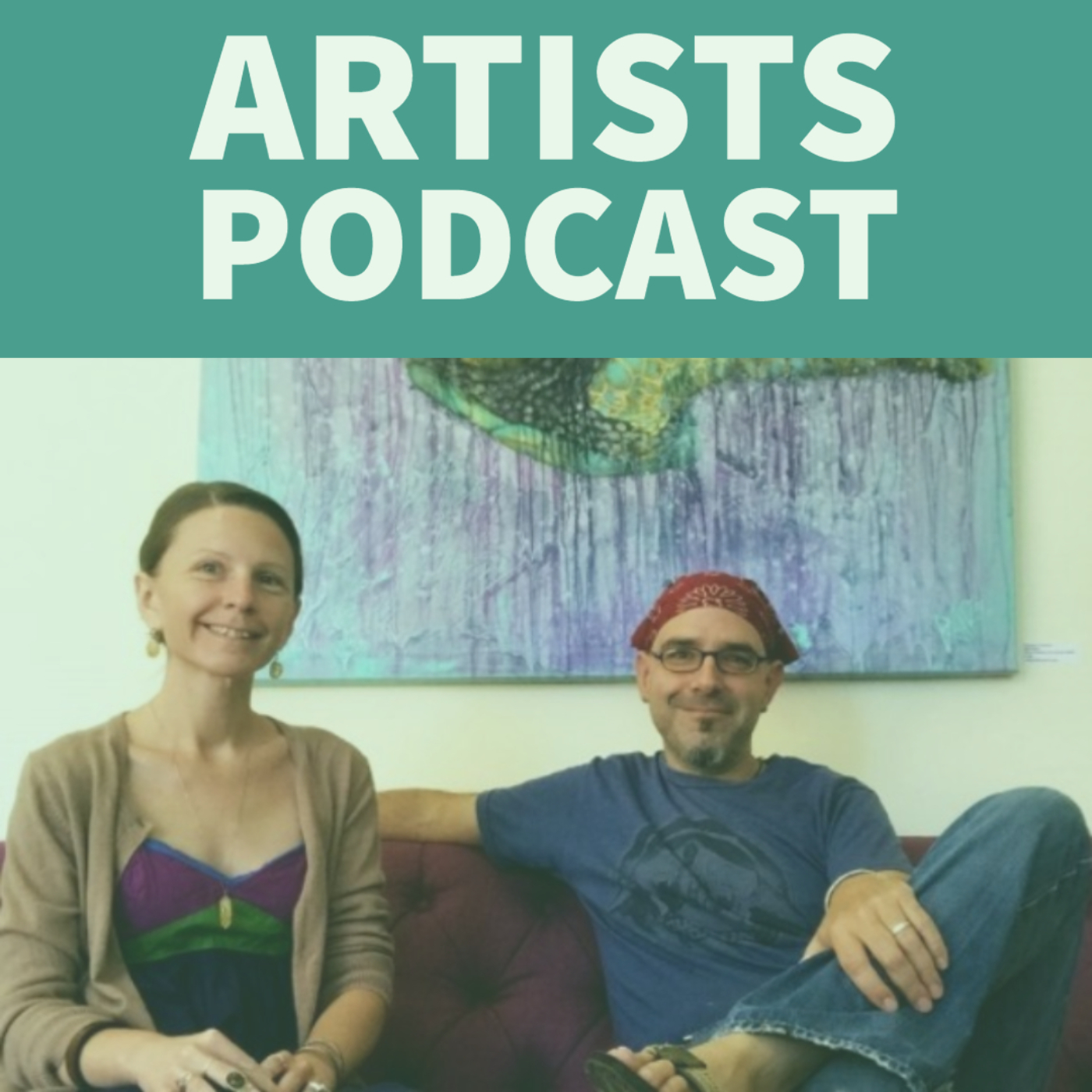
In this podcast, Klee and I discuss different shows we have done and what went wrong. In this podcast, we share some best practices, but also some entertaining stories. Find out more about us at http://www.rafiandklee.com


LISTEN TO THE LATEST EPISODES

How Do We Feel About Seasonal Art – Artist Podcast – ARTIST PODCAST (With Rafi And Klee)

In this podcast, Klee and I (Rafi) discuss (among other topics) our thoughts on seasonal art and how creative work shifts with the rhythms of the year. We dive into the main mindset shifts, challenges, and realities that come with making art tied to seasons, holidays, or changing creative energy throughout the year. Bottom line? Understanding the natural seasons of your creative process can help you work with your flow instead of fighting it. Episode Title: Our Thoughts On Seasonal Art If this resonated with you, hit that Like button, Subscribe, and let us know your thoughts in the comments! WHO ARE RAFI AND KLEE STUDIOS Curious about who we are? Visit our website and get to know us and all we do. https://rafiandklee.com/ WANT TO JOIN US IN THE CHAT FOR THE LIVE PODCAST ON PATREON? https://rafiandklee.com/patreon/ Thank you for supporting the Artist Life Podcast with Rafi and Klee! You rock!
  1. How Do We Feel About Seasonal Art – Artist Podcast
  2. Art For Artsake – Artist Podcast
  3. Start Betting On Yourself As An Artist – Artist Podcast
  4. The Joy Of Creating Unmarketable Art – Artist Podcast
  5. Navigating The Valley Of Suck – Artist Podcast
  6. Keeping Your Art Career Fun – Artist Podcast
  7. Reconnecting With Your Creative Spark – Artist Podcast
  8. The Permission Slip You Don’t Need – Artist Podcast
  9. Expectations Vs Reality – Artist Podcast
  10. Stop Working So Hard – Artist Podcast

LISTEN TO US ON YOUR PREFERRED PODCAST PLATFORM

Posted on — Leave a comment

How To Find Real Inspiration

I want to delve into the topic of finding inspiration. As creatives, we all encounter emotional roadblocks that leave us feeling uninspired from time to time. Imagine working tirelessly on a new series, excited to share it with the world, only to be met with silence or indifference. It’s disheartening and can make us question the worth of our endeavors. I’ve experienced this myself, and it even led me to halt my art career.

So, how did I overcome this hurdle and prevent it from derailing my artistic journey? I learned to move on. I know, easier said than done, right? But it’s essential to practice the art of moving forward. Once a piece is complete and out in the world, it’s done. Let it find its own path, regardless of the response it receives. Some will appreciate it, some won’t, and that’s okay. Your job is to keep creating and moving on to the next thing.

To maintain a constant stream of inspiration, I explore diverse sources beyond the usual suspects. I immerse myself in other art forms, read books, spend time in nature, listen to music, and even indulge my curiosity in scientific subjects. By broadening my perspective, I discover new ideas and fresh approaches that fuel my creativity. Continuously seeking more allows us to move in the direction we desire.

Embracing curiosity has been instrumental in my journey. As adults, we often fall into the trap of comparing things, seeking validation from external sources. But observing my son’s sense of wonder and curiosity, I realized the importance of experiencing everything as if it were the first time. Each tree, cloud, or blade of grass holds unique qualities worth exploring. By shedding preconceived notions and approaching the world with fresh eyes, we open ourselves up to endless inspiration.

Surrounding ourselves with diverse influences and encouraging people is crucial. Engaging with individuals from different backgrounds, cultures, and disciplines exposes us to varied perspectives. It’s essential to remain open-minded, despite society’s messages warning against it. As artists, we must step outside the confines of conformity and embrace the richness that comes with diverse influences.

Stepping outside our comfort zones is another powerful way to maintain momentum in our artistic careers. By venturing beyond the familiar, we grow personally and creatively. Taking risks, trying new experiences, and challenging ourselves fosters growth and inspiration. Life is inherently filled with risks, and we might as well take them in the direction we desire.

Keeping a journal has been a valuable tool for me. I document my thoughts, observations, and ideas in sketchbooks and notebooks. Writing things down helps me reflect on them later, providing inspiration in my own words. These journals have become the basis for the books I’ve written, capturing my journey and insights as an artist.

Embracing solitude and silence has become a staple in my creative process. Although Klee and I do everything together, I recognize the importance of carving out moments of meditation and stillness. Allocating time for yourself, away from distractions, allows your mind to wander and make unexpected connections. It’s in these moments of quiet contemplation that inspiration often strikes.

Brainstorming exercises are another effective way to foster inspiration. By engaging in free-thinking and imagining beyond conventional boundaries, we unlock innovative solutions to challenges. The more we practice brainstorming, the easier it becomes to generate new ideas and overcome obstacles. It’s crucial to focus on solutions rather than dwelling on problems, using our imagination as a catalyst for finding creative answers.

Lastly, it’s essential to practice self-compassion throughout our creative journey. We are our own harshest critics, often setting unrealistic expectations and berating ourselves for perceived shortcomings. Embracing self-compassion means treating ourselves with kindness, understanding that creativity is a process with ups and downs, and allowing ourselves to make mistakes and learn from them. By cultivating self-compassion, we create a nurturing environment where our creativity can flourish without the weight of self-doubt holding us back.

The journey of cultivating inspiration and overcoming creative roadblocks is an ongoing process that requires patience, resilience, and a willingness to embrace the unknown. By detaching ourselves from external validation, seeking diverse sources of inspiration, nurturing curiosity, surrounding ourselves with supportive individuals, stepping outside our comfort zone, keeping a journal or sketchbook, taking breaks, collaborating with others, and practicing self-compassion, we can navigate the challenges and emerge with a renewed sense of creativity and purpose. Embrace the journey, trust the process, and let your imagination soar.

Posted on — Leave a comment

PODCAST 135: Talent Vs Skill In The Art World

In this podcast, Klee and I discuss the ideas and concepts behind Talent and skill. We demystify the whole concept and talk about what really matters. Find out more about us at http://www.rafiandklee.com


LISTEN TO THE LATEST EPISODES

How Do We Feel About Seasonal Art – Artist Podcast – ARTIST PODCAST (With Rafi And Klee)

In this podcast, Klee and I (Rafi) discuss (among other topics) our thoughts on seasonal art and how creative work shifts with the rhythms of the year. We dive into the main mindset shifts, challenges, and realities that come with making art tied to seasons, holidays, or changing creative energy throughout the year. Bottom line? Understanding the natural seasons of your creative process can help you work with your flow instead of fighting it. Episode Title: Our Thoughts On Seasonal Art If this resonated with you, hit that Like button, Subscribe, and let us know your thoughts in the comments! WHO ARE RAFI AND KLEE STUDIOS Curious about who we are? Visit our website and get to know us and all we do. https://rafiandklee.com/ WANT TO JOIN US IN THE CHAT FOR THE LIVE PODCAST ON PATREON? https://rafiandklee.com/patreon/ Thank you for supporting the Artist Life Podcast with Rafi and Klee! You rock!
  1. How Do We Feel About Seasonal Art – Artist Podcast
  2. Art For Artsake – Artist Podcast
  3. Start Betting On Yourself As An Artist – Artist Podcast
  4. The Joy Of Creating Unmarketable Art – Artist Podcast
  5. Navigating The Valley Of Suck – Artist Podcast
  6. Keeping Your Art Career Fun – Artist Podcast
  7. Reconnecting With Your Creative Spark – Artist Podcast
  8. The Permission Slip You Don’t Need – Artist Podcast
  9. Expectations Vs Reality – Artist Podcast
  10. Stop Working So Hard – Artist Podcast

LISTEN TO US ON YOUR PREFERRED PODCAST PLATFORM

Posted on — Leave a comment

Social Media For Artists Isn’t Working

Welcome to the Rogue Community Podcast, where we dive deep into the joys and challenges of being creative souls. Today, I want to tackle a topic that often stirs mixed emotions among artists: social media. I know you might be tired of hearing about it, but trust me, there’s something intriguing that surfaced in a question posted on our Rogue Community site. It inspired this podcast. As someone who has thousands of followers and consistently get’s likes and comments on his posts, I think I would like to share a reality check with you. So let’s get started, “Do I need to post videos on social media?”

Videos are undoubtedly popular on social media, but they’re not the only way to connect with your audience. If creating videos feels like a daunting task, remember that a well-crafted image accompanied by a meaningful story can work wonders. Many people underestimate the power of adding text or captions to their images, thinking of social media purely as a marketing platform. However, sharing your thoughts and narratives alongside your art allows viewers to connect with you on a deeper level. So, don’t overlook the significance of storytelling and personal expression, whether through images, videos, or any other medium.

Finding Your Comfort Zone:

In our journey as artists, we face various battles within ourselves. A comment on the question mentioned that social media isn’t working for them, and I couldn’t help but inquire further. It often boils down to seeking validation, craving attention, or feeling disheartened by a lack of response. These emotions are natural, especially if you’re just starting out and have a small following. Building an audience takes time and consistency. Remember, the number of views, likes, or comments shouldn’t solely define your success. Instead, focus on finding comfort in your own creative process and sharing your work authentically.

Creating an Easy Setup:

Sometimes we deal with limited space and time, it’s crucial to find ways to make the process of recording videos or taking pictures more convenient. Consider setting up a permanent, out-of-the-way camera setup that’s easy to access and use. Whether it’s mounting a camera or using a laptop camera, find what works best for you and simplifies the recording process. Eliminating unnecessary setup time allows you to focus more on creating art and less on technical obstacles.

Understanding the Emotional Landscape:

When it comes to social media, our emotions often take center stage. Fear of rejection, insecurity, and the need for validation are common challenges. However, it’s essential to recognize that these experiences exist beyond social media as well. Every time we put ourselves out there, whether online or in-person, we face the possibility of rejection or being overlooked. Social media offers a unique opportunity to confront these emotions head-on. Embrace the challenges as part of your growth, and remember that personal growth requires courage and resilience.

Social media can be overwhelming, especially with the constant bombardment of information and opinions. However, it’s important to remember that social media is just a tool—a platform for sharing your work and connecting with others. Don’t let external definitions and marketing pressures dictate how you approach it. Instead, create your own rules and definitions of what social media means to you. Use it as a vehicle for personal empowerment, growth, and artistic self-expression.

Some of those people are going to love what you do. Some will hate it. It’s all part of the process. And social media is just an extension of that process. It’s a platform that allows you to reach a wider audience, to connect with people you might not have been able to reach otherwise.

Rejection and criticism are inevitable in any creative endeavor, whether it’s in person or online. But remember, those negative voices are just a fraction of the larger picture. Surround yourself with positive influences, delete or ignore hateful comments, and keep pushing forward. It takes courage to put your work out there, and not everyone will appreciate it. But those who do will make it all worthwhile.

So, dear artists, don’t be discouraged by the challenges and complexities of putting your art out there. Use the platforms to share your unique voice, to inspire and be inspired, and to forge meaningful connections. Remember, your art matters, and there are people out there who are waiting to discover and appreciate it.

Keep creating, keep sharing, and keep shining your light through the in person and digital realm. You have the power to shape your own narrative and make social media a positive and empowering space for your artistic journey.

Posted on — 1 Comment

Fail Like A Champion

Today I want to talk about failing like a champion. Many of you have reached out to me, sharing your experiences of failure over the past few months. I believe it’s crucial to address the concept of failure and what it means to me. When pursuing a career in art or any endeavor that pushes us beyond our comfort zone, many people misunderstand the nature of failure. They often see it as a reflection of their inadequacy or a sign that they will never succeed. Whether it’s a rejection from an art competition or a piece of writing that didn’t get published, failure can be disheartening.

However, I want to emphasize that there is absolutely nothing wrong with failing. Failure is an inherent part of the learning process, especially when you’re venturing into new territories. If you examine the history of successful individuals, including renowned artists and athletes, you’ll find a mountain of failures behind their achievements. Even someone like Babe Ruth, remembered for his home runs, missed many more hits than he actually made. Failure is a natural aspect of growth and success. Babe Ruth is an easy example, but I want you to remember that EVERY artist that is known, built a career on failure.

Failure Is Temporary: When embarking on an art career or putting yourself out there, you need to embrace failure as a stepping stone. Failure provides an opportunity for growth and improvement. It’s a chance to learn from your mistakes and adapt your approach. Instead of viewing failure as a permanent defeat, see it as a temporary setback, a momentary lapse of brilliance. Failure doesn’t define you; it’s merely a single battle on your journey to success.

Don’t Blame Others: One important aspect of dealing with failure is taking responsibility. Instead of blaming external factors or other people, it’s essential to acknowledge your own role in the outcome. By taking ownership of the failure, you empower yourself to make the necessary changes and approach things differently in the future. Blaming others only diminishes your power to alter the situation and hinders personal growth.

Stay Positive: Maintaining a positive mindset is another key aspect of failing like a champion. Cultivate a positive attitude towards failure and reframe it as a temporary setback rather than a permanent defeat. By doing so, you can approach failure with resilience and determination. Ask yourself, “Who am I in the face of failure? Do I crumble and accept defeat, or do I pick myself up, dust myself off, and keep going?” Maintaining a positive mindset allows you to approach failure with a sense of fun and curiosity rather than fear and judgment.

Learn From Mistakes: Additionally, learning from your mistakes is vital. Analyze your failures, reflect on your approach, and identify areas for improvement. Was there a lack of confidence or an underlying cause that affected the outcome? Use the knowledge gained from failures to adjust your approach and develop better strategies for the future. Each failure is a valuable lesson that can lead you closer to success.

Be Unstoppable: Resilience is crucial when facing failure. Develop an attitude of resilience and bounce back from setbacks. Instead of avoiding failure and sticking to familiar paths, understand that failure is an inherent part of the journey. Learn to embrace it and use it as fuel to keep going. Seek feedback from resilient individuals who can help you regain perspective and learn from their experiences.

Don’t Set Yourself Up For Failure: Setting realistic expectations is also important. Push yourself beyond your comfort zone, but understand that failure is likely to occur along the way. Be flexible with your goals and milestones, allowing room for learning and adjustment. Remember that trying something new takes time and mental fortitude. Give yourself the time and space to learn and grow without being too hard on yourself.

Don’t Stop: Perseverance is key. A true champion keeps going even in the face of setbacks. Find ways to maintain your motivation and determination. When encountering failure, consider what your next steps will be. Having a plan in place will help you stay motivated and focused on your inner champion. Embrace it, learn from it, and let it fuel your determination to succeed. Remember, every failure is a stepping stone on the path to success.

Phone A Friend: During difficult times, seeking feedback from trusted individuals can provide valuable insights and support. Reach out to resilient individuals who can offer guidance and encouragement. Their perspective and experiences can help you regain focus and navigate through failures with renewed determination.

Be Flexible: Setting realistic expectations is crucial to avoid unnecessary disappointment. Push yourself beyond your comfort zone, but also understand your current limitations. Be flexible with your goals and milestones, allowing room for learning and growth along the way. Remember, new endeavors often take longer than expected, so give yourself time to overcome mental roadblocks and embrace the learning process.

Celebrate The Journey: Lastly, celebrate your small victories along the journey. Recognize and appreciate the progress you make, no matter how small. Celebrating these wins boosts your confidence and maintains positive momentum. Failure doesn’t diminish your worth or potential; it’s just a temporary setback on your path to success.

In conclusion, failing like a champion is an essential mindset to cultivate as you pursue your artistic endeavors or any goal in life. Embrace failure as a natural part of the learning process, take responsibility for your failures, and maintain a positive attitude. Learn from your mistakes, stay resilient, and seek feedback from resilient individuals. Set realistic expectations, persevere through adversity, and celebrate your victories along the way. Remember, never give up. Failure is not the end; it’s a stepping stone towards discovering your true potential. So keep pushing forward, keep learning, and keep striving. You have the strength within you to overcome any failure and achieve your dreams.

Posted on — Leave a comment

PODCAST 134: Pricing Your Art And Creations

In this podcast, Klee and I delve into the ever-perplexing world of art pricing. Believe me, I understand the struggles and confusion that come with it. But guess what? It doesn’t have to be that way.  Find out more about us at http://www.rafiandklee.com


LISTEN TO THE LATEST EPISODES

How Do We Feel About Seasonal Art – Artist Podcast – ARTIST PODCAST (With Rafi And Klee)

In this podcast, Klee and I (Rafi) discuss (among other topics) our thoughts on seasonal art and how creative work shifts with the rhythms of the year. We dive into the main mindset shifts, challenges, and realities that come with making art tied to seasons, holidays, or changing creative energy throughout the year. Bottom line? Understanding the natural seasons of your creative process can help you work with your flow instead of fighting it. Episode Title: Our Thoughts On Seasonal Art If this resonated with you, hit that Like button, Subscribe, and let us know your thoughts in the comments! WHO ARE RAFI AND KLEE STUDIOS Curious about who we are? Visit our website and get to know us and all we do. https://rafiandklee.com/ WANT TO JOIN US IN THE CHAT FOR THE LIVE PODCAST ON PATREON? https://rafiandklee.com/patreon/ Thank you for supporting the Artist Life Podcast with Rafi and Klee! You rock!
  1. How Do We Feel About Seasonal Art – Artist Podcast
  2. Art For Artsake – Artist Podcast
  3. Start Betting On Yourself As An Artist – Artist Podcast
  4. The Joy Of Creating Unmarketable Art – Artist Podcast
  5. Navigating The Valley Of Suck – Artist Podcast
  6. Keeping Your Art Career Fun – Artist Podcast
  7. Reconnecting With Your Creative Spark – Artist Podcast
  8. The Permission Slip You Don’t Need – Artist Podcast
  9. Expectations Vs Reality – Artist Podcast
  10. Stop Working So Hard – Artist Podcast

LISTEN TO US ON YOUR PREFERRED PODCAST PLATFORM

Posted on — Leave a comment

When People Want To Haggle Over The Price Of Your Art

Today, I want to delve into a topic that many of us find challenging: dealing with people who want to haggle over the price of your art. It’s something that can be intimidating, but it’s essential to understand and navigate when you’re putting your artwork out there. So, let’s tackle this fear and explore some strategies to handle these situations.

The first tip I want to share is to establish your values. Before entering any negotiation, you need to be confident in the value of your art. This means understanding the time, effort, and expertise required to create your work. When you firmly believe in the worth of your art, it becomes easier to maintain a strong position during the haggling process. If you doubt the value of your art, it can undermine your confidence and make it more difficult to stand your ground.

Next, it’s crucial to set a fair and reasonable price. For me, this means choosing a price that feels comfortable and fair to both me and the potential buyer. I don’t want to sell my artwork and feel like I got shortchanged, nor do I want to take advantage of someone by overcharging them.

Pricing your work involves personal insecurities and a complex relationship with money. It’s an ongoing process of evaluation and growth. Allow yourself to evolve and adjust your prices over time, but always strive to reach a point where you feel comfortable selling your work without regrets.

Another critical point is to remember that your art is unique. Avoid falling into the comparison game by looking at the pricing of other artists’ works at shows or exhibitions. Prices can vary greatly, depending on each artist’s journey, demand for their work, and individual factors. You are on your own artistic path, and it’s essential to focus on your art’s value rather than comparing yourself to others. While getting a sense of pricing trends is okay, don’t take it as a fixed rule. The uniqueness of your art sets it apart, and you should price it accordingly.

Persistence is key in your artistic journey. The more you persist, the clearer your pricing strategy will become. As you continue creating and selling your work, you’ll gain valuable insights into what works and what doesn’t. Treat every interaction as a social experiment, learning from the responses and paying attention to how you feel. Your previous works and experiences will shape your evolving pricing strategy, so keep pushing forward.

Remember that it’s not just the hours spent creating a piece that determines its value. It’s the culmination of a lifetime of artistic development and growth. If you find yourself tempted to underprice your work, recognize the immense value of your accumulated experience and skill. Acknowledge the time it took you to reach a level where you can create a piece in just a few hours. Don’t sell yourself short—your art is the result of a lifelong journey.

Offering alternative options can be a helpful negotiation tactic, especially in art shows or exhibitions. I always make sure to have artworks that cover various price ranges. This way, if someone can’t afford a larger piece, I can offer them a smaller print or a more affordable option. By doing so, you provide potential buyers with choices and increase the chances of making a sale. If someone tries to negotiate the price of a larger piece, you can suggest a smaller one instead. It allows for flexibility and opens up possibilities for both parties.

During the negotiation process, it’s essential to remain confident and calm—a metaphorical blue flame. Stay composed and be prepared to justify your pricing when necessary. Listen attentively to the buyer’s perspective without becoming defensive. Understand that their attempt to lower the price doesn’t diminish the value of you or your art. Avoid engaging in heated arguments or getting defensive.

Now, let’s talk about the emotional aspect of haggling.

Dealing with people who want to negotiate the price of your art can be emotionally challenging. It’s natural to feel mixed emotions during these situations, such as fear, self-doubt, or even a sense of vulnerability. But remember, it’s all part of the journey as an artist.

The first step in overcoming these emotional hurdles is to develop a strong sense of self-confidence and belief in the value of your art. Remind yourself of the time, effort, and expertise you’ve dedicated to your craft. Recognize the uniqueness of your art and the individuality it represents. By establishing your own values and being firm in your pricing, you can maintain a strong stance during the haggling process.

However, it’s essential to strike a balance between confidence and fairness. Setting a fair and reasonable price means finding a comfortable middle ground for both you and the potential buyer. Avoid underpricing your work, as it diminishes the value of your artistic journey. At the same time, be mindful of not overpricing it, as it may deter potential buyers. Finding that sweet spot where you feel satisfied with the price and the buyer perceives the value in your work is the key.

As you navigate the pricing journey, keep in mind that it’s not about comparing yourself to other artists or their prices. Every artist’s journey is unique, and factors such as experience, demand, and reputation play a role in pricing. Instead of getting caught up in the comparison game, focus on your own growth and progress. Use the pricing of others as a reference point, but remember that your art stands on its own, deserving of its own value.

Persistence is crucial when it comes to pricing your art. As you continue creating and selling your work, your pricing strategy will evolve and refine over time. Treat each experience as a learning opportunity, paying attention to how you feel, the responses you receive, and the results you achieve. It’s a continuous social experiment that helps you better understand the market and your own artistic worth.

When engaging in negotiations, remember that your art holds not just the time and materials invested in its creation, but also a lifetime of artistic growth. Acknowledge the value of your accumulated skills and experience. Avoid undervaluing your work simply because it took you a shorter time to create a particular piece. Your expertise and artistic journey contribute to the value of your art as a whole.

In order to facilitate negotiations, offering alternative options can be a useful strategy. By providing a range of artworks that cover different price points, you cater to a broader audience. If someone haggles over a higher-priced piece, you can suggest a smaller or more affordable artwork that still resonates with their appreciation of your art. This way, you maintain a level of flexibility and accommodate various budgets.

Throughout the negotiation process, it’s essential to remain calm, confident, and open-minded. Be prepared to justify your pricing and engage in a respectful conversation. Remember, a negotiation is not a personal attack or a reflection of your worth as an artist. Avoid becoming defensive or engaging in heated arguments. Stay focused on building a connection with the potential buyer, even if a sale doesn’t immediately occur.

Knowing your limits is also crucial during negotiations. Determine the lowest price you’re willing to accept for a piece and stick to it. While some back-and-forth discussion is normal, having a predetermined threshold prevents you from compromising beyond what feels fair to you. Be open to reasonable compromises, particularly with genuinely interested buyers who may not be able to afford your initial asking price. Establish a sense of trust and connection, understanding that a potential collector may emerge from these interactions.

Ultimately, every negotiation is an opportunity to build relationships and create connections. Even if a sale doesn’t go through, you can grow from the experience.
Posted on — Leave a comment

PODCAST 133: What Inspires Your Creativity?

In this podcast, Klee and I discuss creative inspiration and where it come from. We talk about the different things that inspire our art and the motivation to keep going in this crazy thing called an art career. Find out more about us at http://www.rafiandklee.com


LISTEN TO THE LATEST EPISODES

How Do We Feel About Seasonal Art – Artist Podcast – ARTIST PODCAST (With Rafi And Klee)

In this podcast, Klee and I (Rafi) discuss (among other topics) our thoughts on seasonal art and how creative work shifts with the rhythms of the year. We dive into the main mindset shifts, challenges, and realities that come with making art tied to seasons, holidays, or changing creative energy throughout the year. Bottom line? Understanding the natural seasons of your creative process can help you work with your flow instead of fighting it. Episode Title: Our Thoughts On Seasonal Art If this resonated with you, hit that Like button, Subscribe, and let us know your thoughts in the comments! WHO ARE RAFI AND KLEE STUDIOS Curious about who we are? Visit our website and get to know us and all we do. https://rafiandklee.com/ WANT TO JOIN US IN THE CHAT FOR THE LIVE PODCAST ON PATREON? https://rafiandklee.com/patreon/ Thank you for supporting the Artist Life Podcast with Rafi and Klee! You rock!
  1. How Do We Feel About Seasonal Art – Artist Podcast
  2. Art For Artsake – Artist Podcast
  3. Start Betting On Yourself As An Artist – Artist Podcast
  4. The Joy Of Creating Unmarketable Art – Artist Podcast
  5. Navigating The Valley Of Suck – Artist Podcast
  6. Keeping Your Art Career Fun – Artist Podcast
  7. Reconnecting With Your Creative Spark – Artist Podcast
  8. The Permission Slip You Don’t Need – Artist Podcast
  9. Expectations Vs Reality – Artist Podcast
  10. Stop Working So Hard – Artist Podcast

LISTEN TO US ON YOUR PREFERRED PODCAST PLATFORM